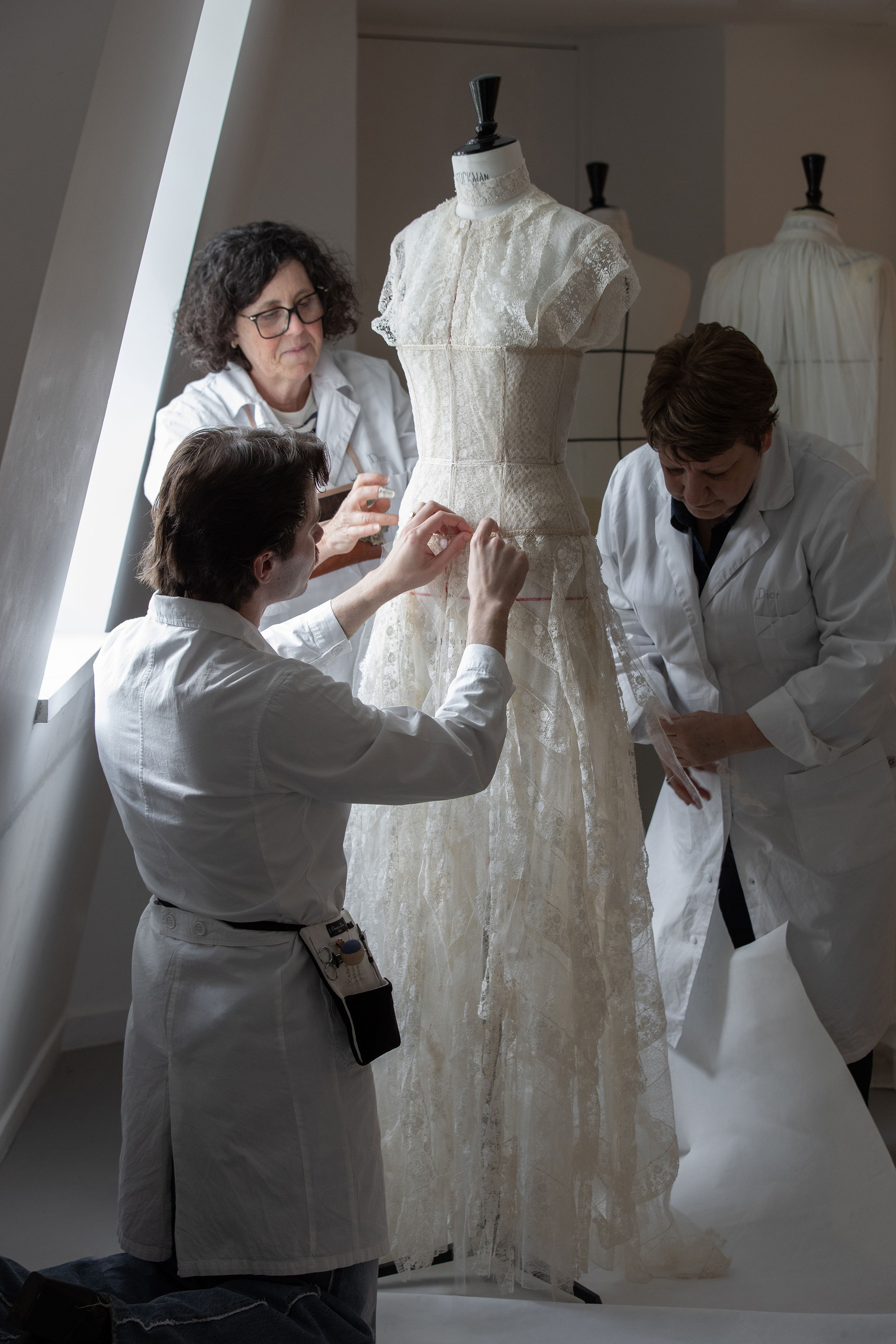
Vanity Fair France called it "a new chapter not just for Fashion Week, but for what fashion will look like for the next ten years." Never before in the modern history of luxury has there been a simultaneous creative reset of this scale: Anderson at Dior, Blazy at Chanel, Demna at Gucci, Wales Bonner at Hermès, Chiuri at Fendi, Trotter at Bottega Veneta, Rider at Celine. Seven of the most important houses in the world, in transition at the same time. This is not coincidence. It is the consequence of a perfect storm — and it will define the luxury landscape for a decade.
There is a version of this moment that is easy to tell: the old guard stepped down, new talent stepped up, and fashion renewed itself as it always does. But that version misses what makes 2025–2026 genuinely unprecedented. It is not just the number of transitions — it is their simultaneous nature, their scale, their concentration in the most commercially and culturally significant houses in the industry, and the specific conditions — financial pressure, market uncertainty, generational shift in consumers — in which they are happening.
Pierre Groppo, a luxury analyst cited in Vanity Fair France, articulated what makes this moment different: "We are opening a new chapter not for Fashion Week, but for what fashion will look like for the next ten years." Fashion weeks have always had new collections. What 2026 has is a new industry — one in which the dominant aesthetic voices of the past decade have stepped back, and a new generation has stepped into positions of maximum cultural and commercial responsibility simultaneously.
01 The class — who they are and what they replaced.
- Dior
Jonathan Anderson
LVMH · Paris — From Loewe (11 yrs, €230M → ~€900M). First designer to hold unified creative control of all three Dior lines simultaneously. Standing ovation at October 2025 womenswear debut. 5 shows in 6 months · HSBC: 10% sales growth forecast 2026
- Chanel
Matthieu Blazy
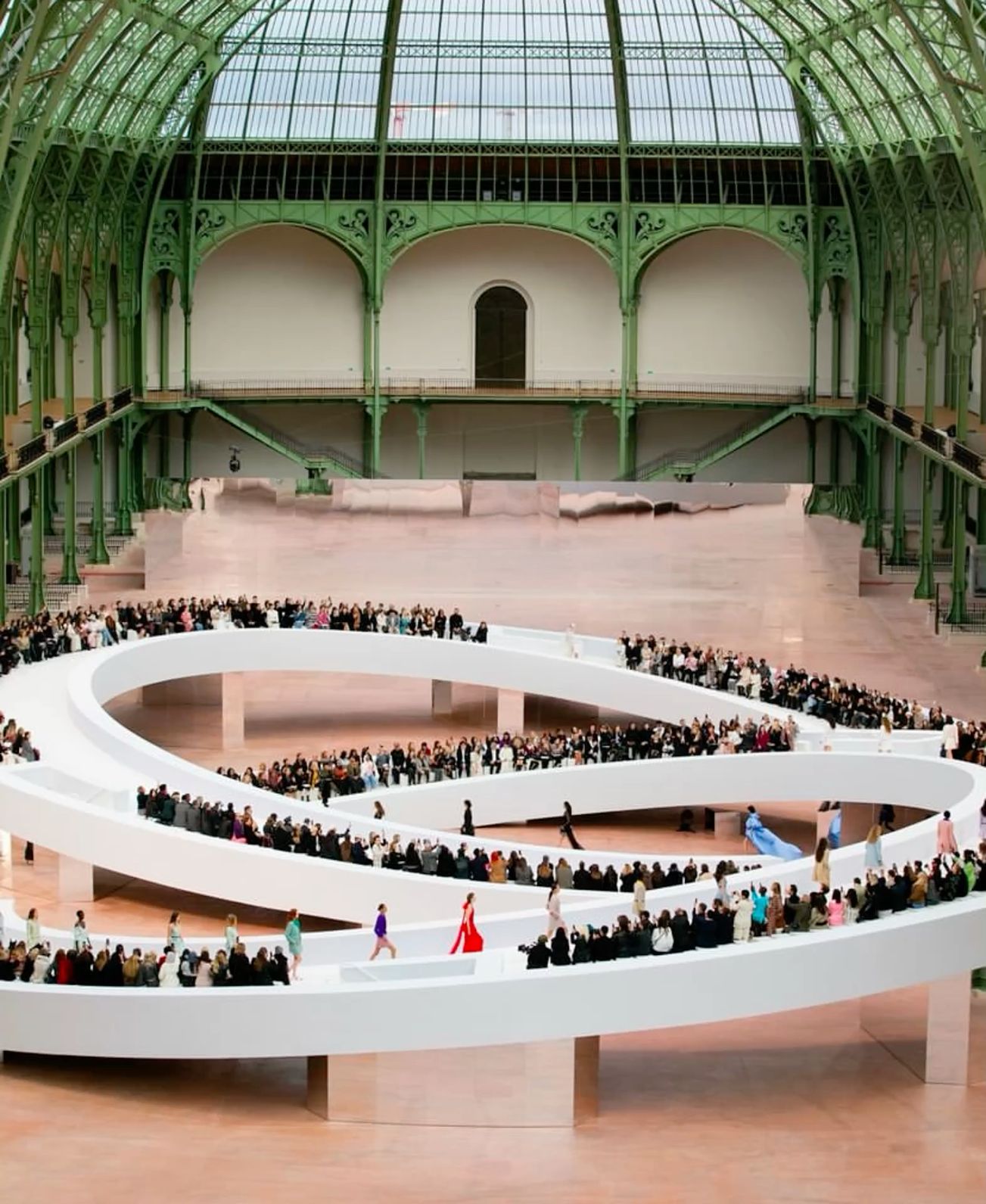
Private · Paris — From Bottega Veneta. Only the fourth creative director in Chanel's 116-year history. Planetary set at Grand Palais debut (Oct 2025), fairy-tale couture (Jan 2026), "pure joy" A/W 2026 (Mar 2026). 4 collections in 6 months · "Showmanship returned" — AP
- Gucci
Demna
Kering · Milan — From Balenciaga (10 yrs). First Gucci show "Primavera" — imagined museum of ancient sculptures, Kate Moss closing (Feb 2026). Alpine F1 partnership announced May 2026. Most controversial appointment · Kering stock −12% on day · Now building
- Hermès
Grace Wales Bonner
Private · Paris — From her own label. Succeeds Véronique Nichanian after 37 years. First Black woman to lead a major luxury house. Debut: January 2027 Paris Men's Fashion Week. Most intellectually significant appointment · Debut pending
- Fendi
Maria Grazia Chiuri
LVMH · Rome — Returns to Fendi 36 years after starting there as accessories designer. First CCO with unified control of all four Fendi lines. Debut A/W 2026 Milan, February 2026. Rare intra-conglomerate transfer · LVMH creative capital management
- Bottega Veneta
Louise Trotter
Kering · Milan — From Carven. Succeeds Matthieu Blazy, who moved to Chanel. Debuts Spring 2026 — first collection described as a confident continuation of Bottega's quiet luxury codes with her own material intelligence. Least-discussed of the class · Perhaps the most interesting to watch
- Celine
Michael Rider
LVMH · Paris — From Ralph Lauren. Succeeds Hedi Slimane after seven years. Debut A/W 2026 — reviewed as "a confident and assured reset" that recalibrates Celine toward femininity and Parisian ease after Slimane's rock aesthetic. Successful first collection · Market response cautiously positive
02 Why it happened — the four forces behind the reset.
Simultaneous creative resets of this scale do not happen by accident. Three forces converged to produce the Class of 2026.
- Force 01
Financial pressure
The luxury slowdown of 2024–2025 created pressure on houses whose creative direction had not translated into commercial results. Gucci's 25% organic decline. Celine's sustained underperformance under Slimane. Dior's 6–8% decline. Financial underperformance creates the institutional conditions for creative change.
- Force 02
Generational shift
The consumer who will define luxury for the next decade — Gen Z, the rising HNWI cohort, the aspirational global consumer — has different codes, different cultural references, different expectations of what a luxury brand should be. The houses that recognised this earliest moved first to creative directions capable of speaking that language.
- Force 03
Natural tenure cycles
Several of the departing creative directors had completed long, transformative tenures. Slimane at Celine: 7 years. Chiuri at Dior: 9 years. Nichanian at Hermès: 37 years. These were not failures — they were completions. The timing was their own. The simultaneous completion of multiple long tenures produced the vacancy cluster that the Class of 2026 filled.
- Force 04
Available talent
The Class of 2026 is not interchangeable. Anderson, Blazy, Wales Bonner, Chiuri, Demna — each represents a genuinely distinctive creative intelligence. The simultaneous availability of multiple candidates of this calibre, and their willingness to take on these specific positions at this specific moment, is not coincidental. It is the result of a decade of creative talent development across the industry.
03 How to distinguish genuine renewal from crisis management.
Not all creative director appointments are equal — and the Class of 2026 contains both genuine creative resets and appointments that are primarily responses to commercial crisis. Understanding the difference matters for brands, investors, and students of the industry.
We are opening a new chapter not for Fashion Week, but for what fashion will look like for the next ten years."— Pierre Groppo, luxury analyst, Vanity Fair France, 2025— TCL Analysis
The clearest signals of genuine renewal — as opposed to reactive management — are three. First, the appointment precedes or accompanies a clear strategic brief, not just a commercial crisis. Anderson at Dior was given unified creative control of all three lines — a structural decision that signals confidence rather than desperation. Blazy at Chanel was given the time to debut nine months after appointment — a signal of institutional patience. Wales Bonner at Hermès will debut more than a year after her announcement — institutional confidence at its most explicit.
Second, the new director is given genuine creative authority rather than commercial constraints that predetermine their aesthetic direction. The houses that have historically produced the best outcomes from creative transitions — Lagerfeld at Chanel in 1983, McQueen at Givenchy, Anderson at Loewe — are those where the designer was trusted to make something genuinely new rather than asked to replicate what worked before.
Third, the structural conditions for success are in place: operational leadership alongside creative leadership (Bellettini alongside Demna at Gucci), sufficient investment in the physical infrastructure the new vision requires (Chanel's €1.8B capex in 2024), and a board willing to absorb short-term commercial uncertainty in pursuit of long-term brand strength.
04 Who in the class is most likely to succeed — and why.
Academic research on creative director transitions — and the commercial outcomes they produce — consistently identifies the same variables as predictors of success: fit between the designer's creative identity and the brand's founding codes; operational support alongside creative leadership; and sufficient time for the designer's vision to reach the consumer before commercial judgment is rendered.
By these measures, the Class of 2026 contains at least three strong candidates for sustained success: Anderson at Dior (proven track record of transformation, unified creative control, operational CEO in place); Blazy at Chanel (demonstrated ability at Bottega to deepen heritage codes commercially, fourth designer in history carries its own authority); and Wales Bonner at Hermès (the intellectual fit between her creative practice and Hermès's values is unusually precise, and the house has given her the time she needs).
The most uncertain outcome is Demna at Gucci — not because of talent, which is unquestioned, but because the mismatch between his aesthetic identity and Gucci's traditional consumer base is the widest of any appointment in the class, and because the brand has undergone two creative transitions in two years, leaving it without the consumer narrative coherence that makes transitions easier to execute.
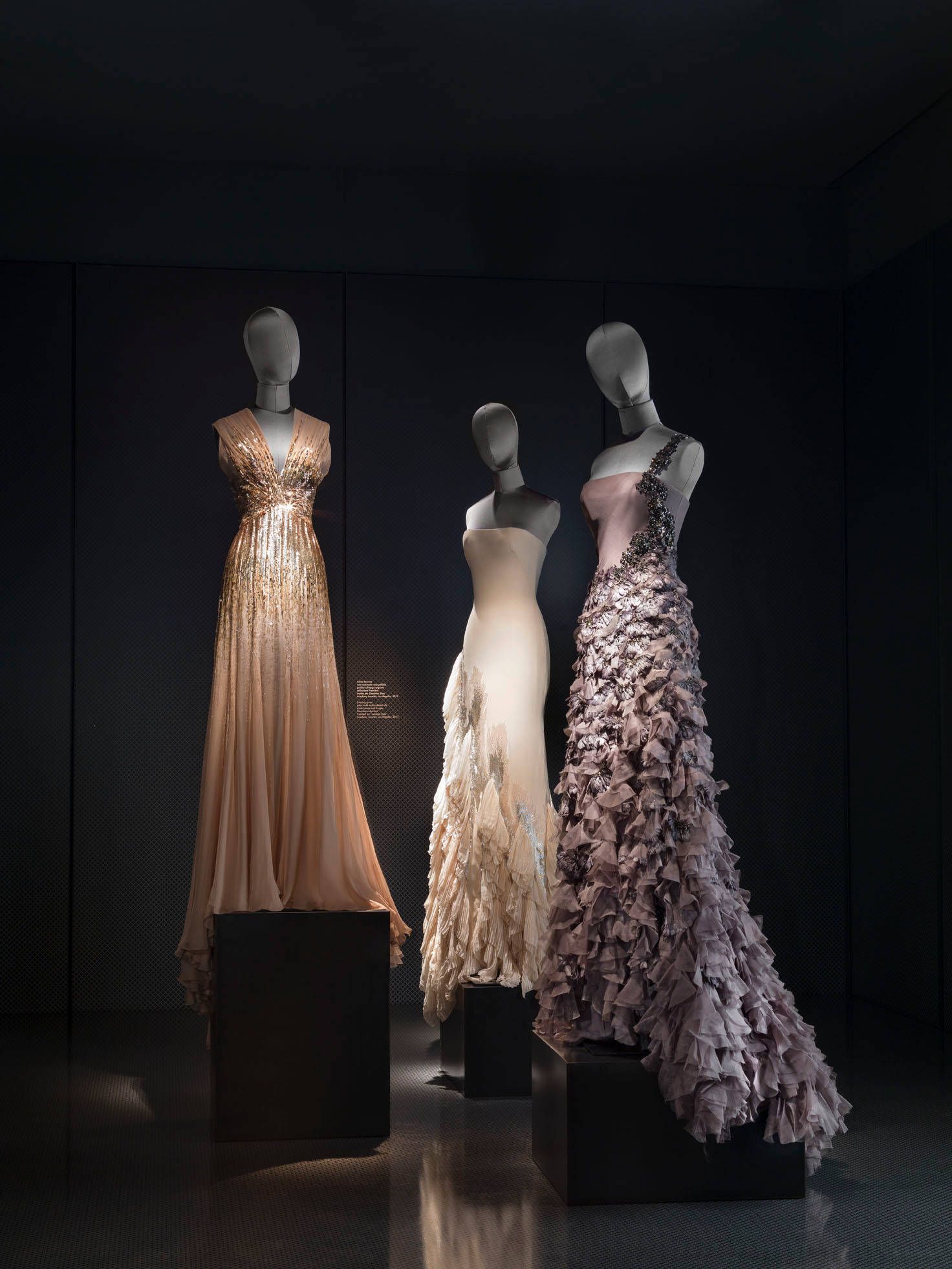
05 What the Class of 2026 teaches about creative transitions at scale.
- Lesson 01
Simultaneous reset creates opportunity
When multiple houses transition simultaneously, consumers expect change — which lowers the psychological barrier to engaging with a new creative direction. The Class of 2026 collectively normalises the idea that fashion is renewing itself
- Lesson 02
The structural brief matters as much as the talent
Unified creative control, operational partnership, institutional patience — the conditions under which a designer works predict outcomes as reliably as their creative ability. The appointment is only the beginning
- Lesson 03
Patience is a competitive advantage
Hermès giving Wales Bonner 15 months before her first collection. Chanel waiting nine months. These delays are not slowness — they are discipline. Brands that rush creative debuts to manage investor anxiety typically produce weaker outcomes than those that give designers time
- Lesson 04
The creative transition is also a brand transition
The consumer who fell in love with Michele's Gucci, Slimane's Celine, or Chiuri's Dior must rebuild their relationship with the new direction. This takes time — typically two to three collections before commercial impact becomes measurable. Brands that understand this invest in transition, not just talent
The Class of 2026 will not be judged by their debut seasons. They will be judged by what they build over the next five years — by whether the critical reception of their first collections translates into consumer relationships, commercial recovery, and lasting brand identity. Fashion weeks can be won with a single show. Houses are built over decades. The class has arrived. The work has begun.
Sources & Further Reading
- 01 Fashionista. (2026, January). All the Big Fashion Designer Debuts Expected in 2026 — Creative Director Cheat Sheet. — complete roster, debut dates, house context for all seven appointments.
- 02 AFP / Malay Mail. (2025, October 2). Jonathan Anderson's Dior era begins with a standing ovation. — Anderson debut context, Pierre Groppo Vanity Fair France quote.
- 03 AP / AOL. (2025, October 6). Showmanship returns at Chanel as designer Blazy debuts under a sky of planets. — Blazy debut confirmed, "fourth creative director in 116 years"
- 04 WWD. (2025, February 6) & Fashion Dive. (2025, March). Gucci names Demna, Kering stock falls. — Demna appointment, −12% stock, J.P. Morgan negative catalyst.
- 05 Fashion Sizzle / Hermès Finance. (2025, October 21). Grace Wales Bonner named Creative Director of Men's Ready-to-Wear at Hermès. — Wales Bonner appointment, January 2027 debut.
- 06 LVMH official / Fashionista. (2025, October 14). Maria Grazia Chiuri Returns to Fendi as Chief Creative Officer. — Chiuri Fendi CCO, February 2026 debut.
- 07 WWD / BoF. (2026). Michael Rider's Celine debut — "confident and assured reset," A/W 2026. Louise Trotter's Bottega Veneta debut — Spring 2026 confirmed.
- 08 Kapferer, J.-N., & Bastien, V. (2012). The Luxury Strategy. Kogan Page. — theoretical framework for creative direction as brand positioning, transition management.
- 09 Beverland, M. B. (2005). Crafting brand authenticity. Journal of Management Studies, 42(5). — authenticity and creative transition in luxury brand context.
Cite this case study
The Codes of Luxury. (2026, June 11). The Class of 2026: A Generation of creative Directors Debuts Simultaneously (Case N°13). https://codeofluxury.cloakify.pro/case-studies/the-class-of-2026-a-generation-of-creative-directors-debuts-simultaneously