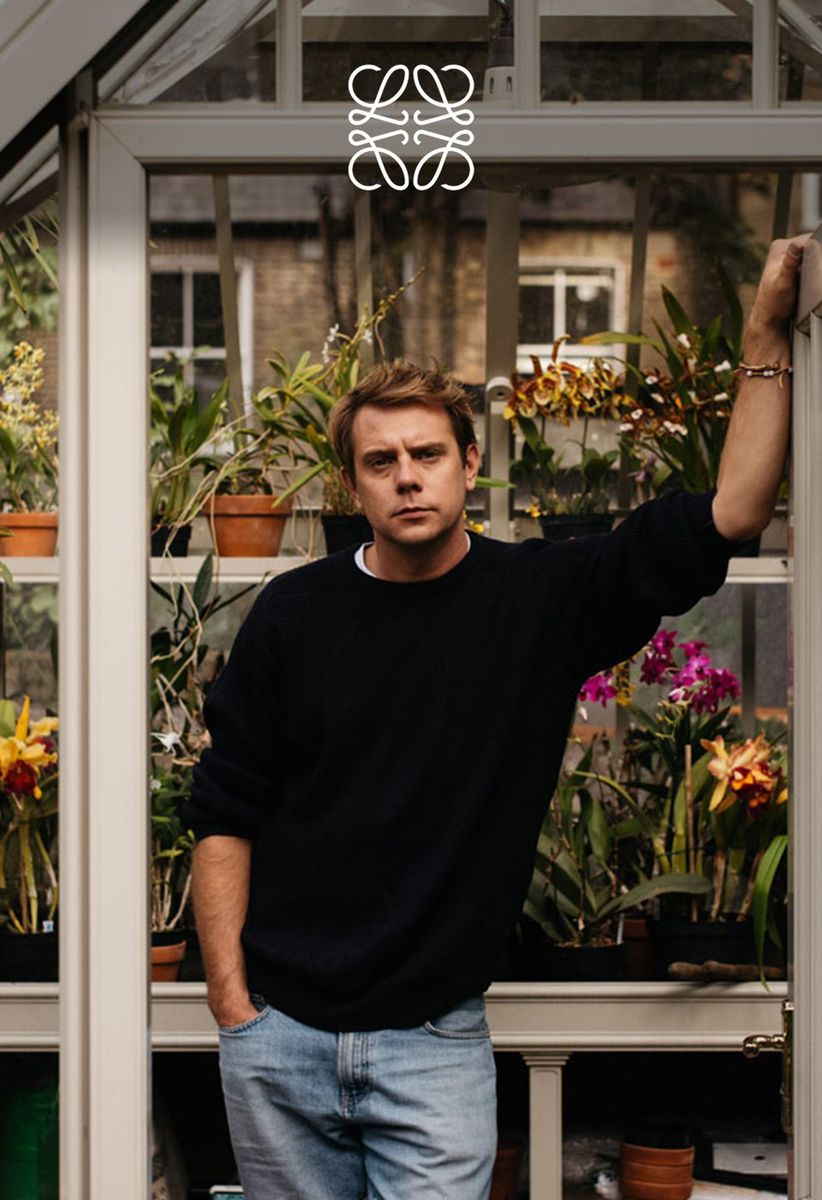
When Anderson arrived in 2013, Loewe was a 167-year-old Spanish leather house with genuine craft credentials and almost no presence in the conversation. It was respected in Madrid and largely unknown everywhere else. LVMH had owned it since 1996 and had not found the lever.
By the time he left in 2025, Loewe was among the most culturally legible houses in luxury — cited in art criticism as often as in fashion reviews, and generating roughly four times the revenue. The mechanism by which that happened is unusually well documented, which makes the succession unusually interesting.
01 The scale of what was built.
€230M → ~€900M
ESTIMATED REVENUE, 2014 TO 2024 — LVMH DOES NOT REPORT LOEWE SEPARATELY
Press estimates
12 yrs
ANDERSON AT LOEWE, 2013 TO 2025 — GROWTH OF 9.2% IN HIS FINAL FULL YEAR
Press estimates
2016
LOEWE FOUNDATION CRAFT PRIZE INAUGURATED — THE ONE PIECE OF INFRASTRUCTURE THAT OUTLASTS HIM
Loewe Foundation
2 for 1
TWO CREATIVE DIRECTORS APPOINTED TO REPLACE ONE, EFFECTIVE 7 APRIL 2025
LVMH / Loewe
One caveat governs all of these figures. LVMH does not disclose Loewe's results, so every revenue number attached to this tenure is an outside estimate. The figures cluster consistently — around €230 million in 2014 and close to €900 million in 2024, with 9.2% growth in Anderson's final full year — but they are reported, not reported by the company. Read as an order of magnitude rather than a set of accounts: roughly fourfold in twelve years.
02 What the strategy actually consisted of.
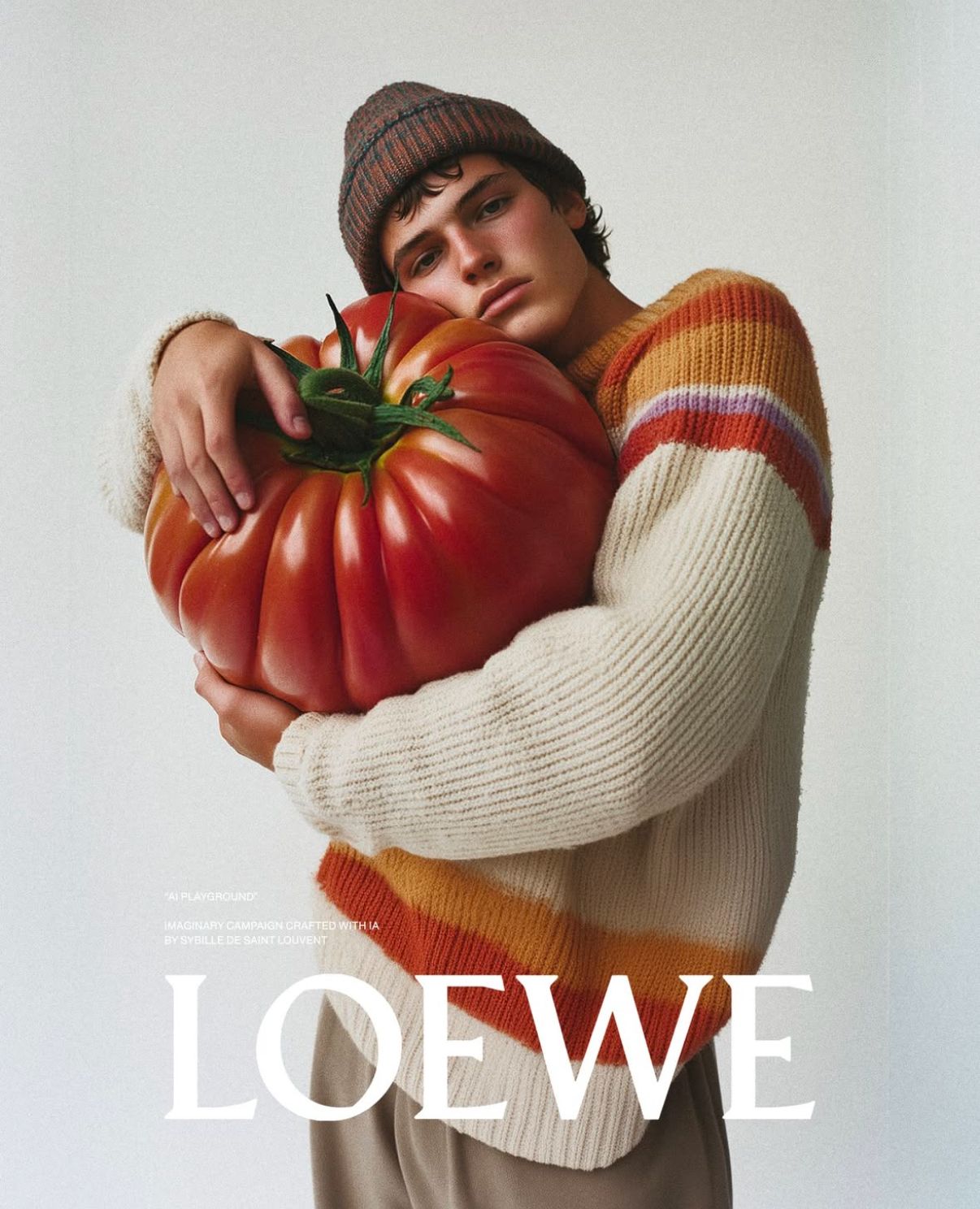
The word usually applied is collaborations, which undersells it. Anderson built four distinct routes into culture, and none of them was a licensing deal.
- Route 01 · An institution
The Loewe Foundation Craft Prize, inaugurated in 2016, is an annual international award for working artists and craftspeople. It does not sell handbags. It positions the house inside the craft world as a patron rather than a marketer, and it runs on its own calendar.
- Route 02 · A sustained partnership
Three Studio Ghibli collections across several years — My Neighbour Totoro, Spirited Away and, in February 2023, Howl's Moving Castle. Not one drop, but a relationship developed to a conclusion, which is why it read as affinity rather than as a rights purchase.
- Route 03 · Film
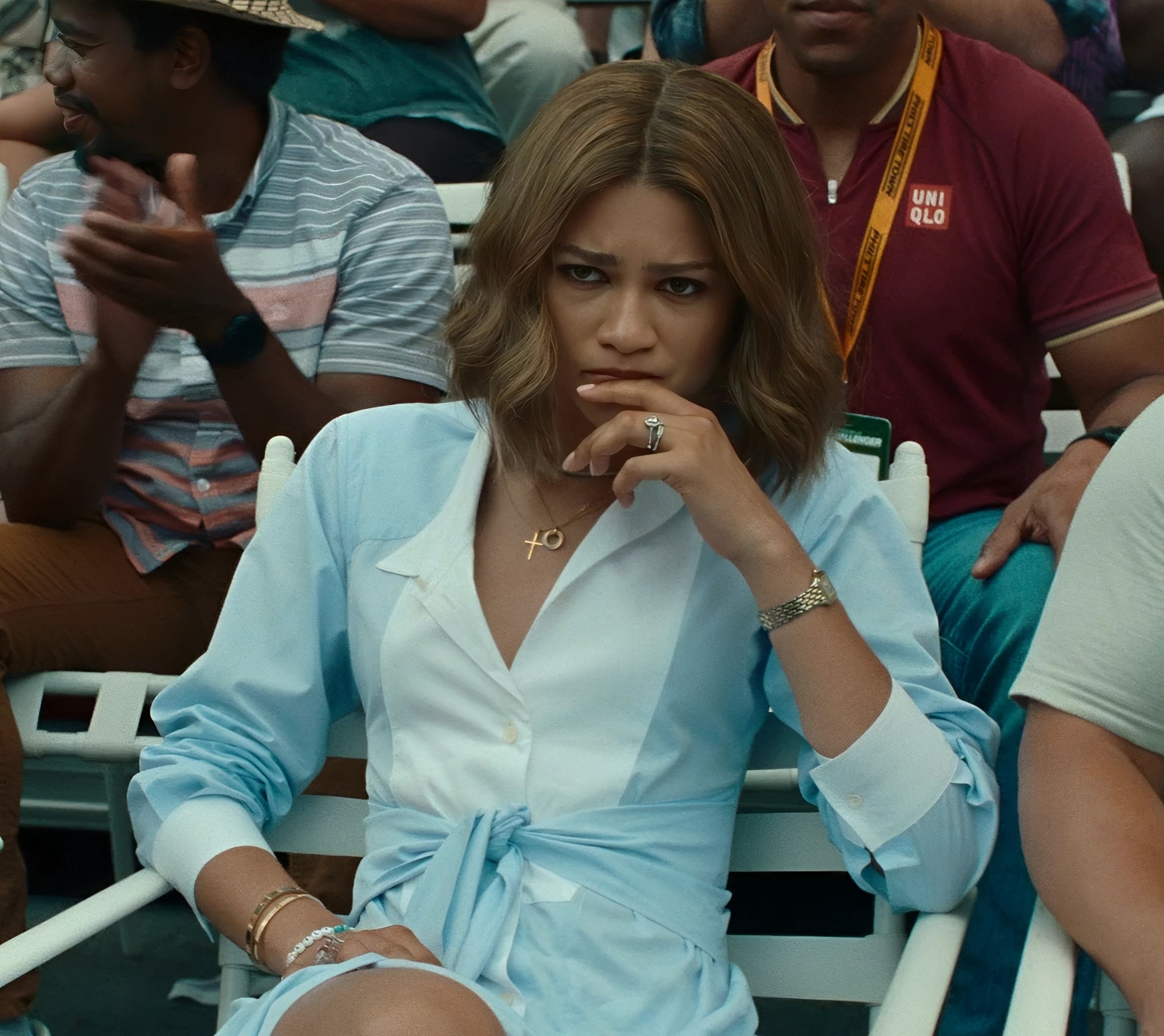
Anderson designed the costumes for Luca Guadagnino's Challengers, a film that took $94.2 million worldwide against a $55 million budget and drew four Golden Globe nominations. The clothes were discussed as clothes, in publications that do not cover fashion.
- Route 04 · Exhibition
Shows staged as exhibitions rather than showrooms, including a Shanghai presentation in 2024 covered by art press. The house occupied gallery space and gallery language.
What links all four is that none of them is advertising, and none can be bought at scale. A craft prize requires judgement about craft. A Ghibli partnership requires Ghibli agreeing. A Guadagnino film requires being the person Guadagnino calls. This is cultural capital in the strict sense — access that money alone does not purchase.
03 The transfer problem.
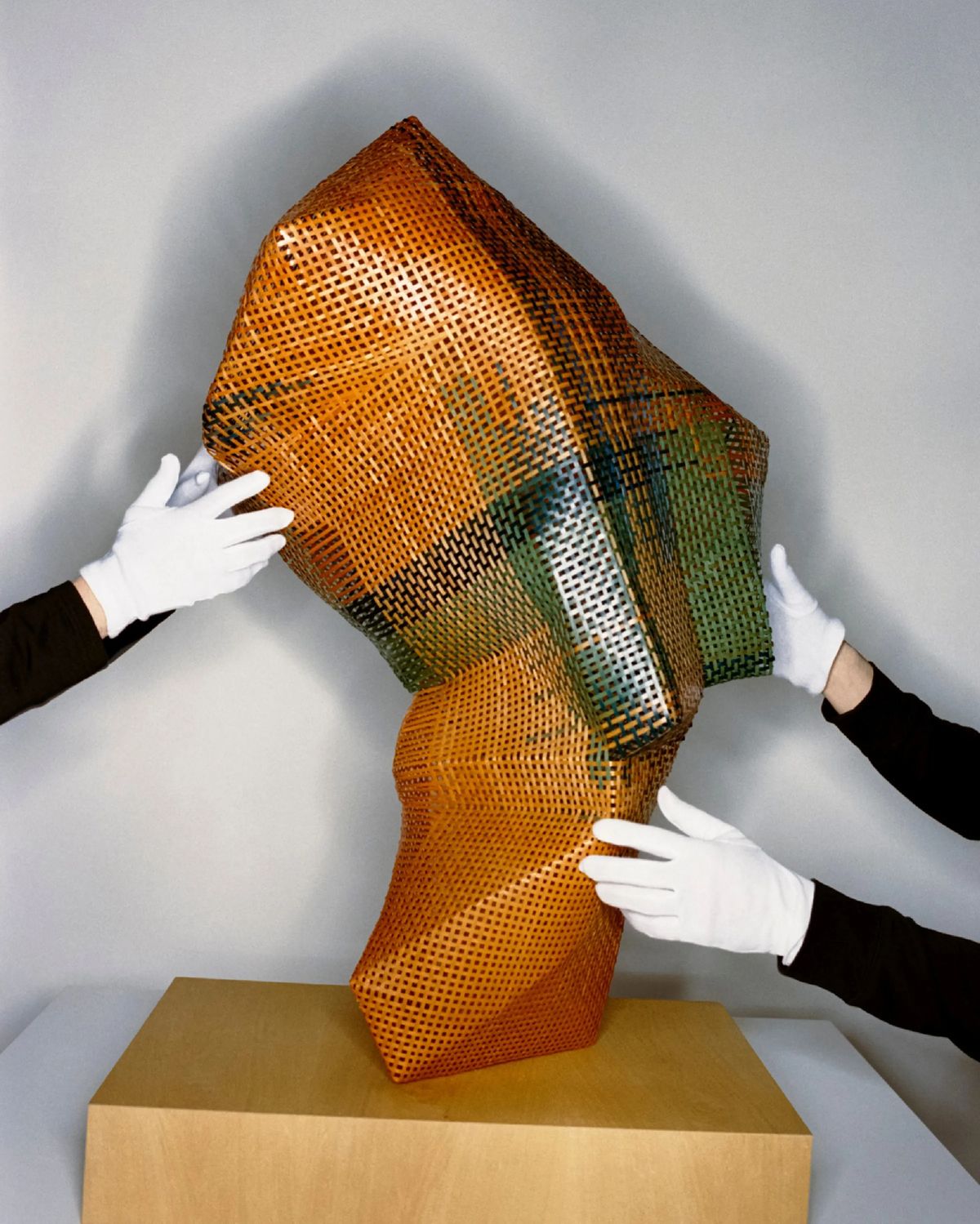
Which raises the question the house now has to answer. Cultural capital of this kind is held by a person. Anderson's relationships with the art world, with Ghibli, with Guadagnino, with the craft community — these did not sit on Loewe's balance sheet. They sat in his address book, and in March 2025 they walked to Dior with him.
Bottega Veneta stored its legibility in a weave and survived three creative directors without interruption. Loewe stored a large part of its legibility in one person's cultural fluency. The first is an asset the house owns. The second is one it rents, and the lease ended in 2025.— TCL Analysis
This is not a criticism of the strategy. Renting cultural capital produced a fourfold increase in twelve years, which no amount of media spend would have achieved. It is an observation about what kind of asset was being built, and therefore about what happens at the handover.
The succession itself contains a signal. LVMH appointed two people to replace one: Jack McCollough and Lazaro Hernandez, who founded Proenza Schouler together in 2002 and stepped down from it in January 2025, took over Loewe's entire creative responsibility — womenswear, menswear, leather goods and accessories — effective 7 April 2025.
Appointing a partnership to succeed a singular figure is a defensible reading of the problem. Two people carry two networks, and a duo is structurally harder to lose to a rival than an individual. It is also an implicit acknowledgement of what the outgoing director had been personally supplying.
04 What was institutionalised, and what was not.
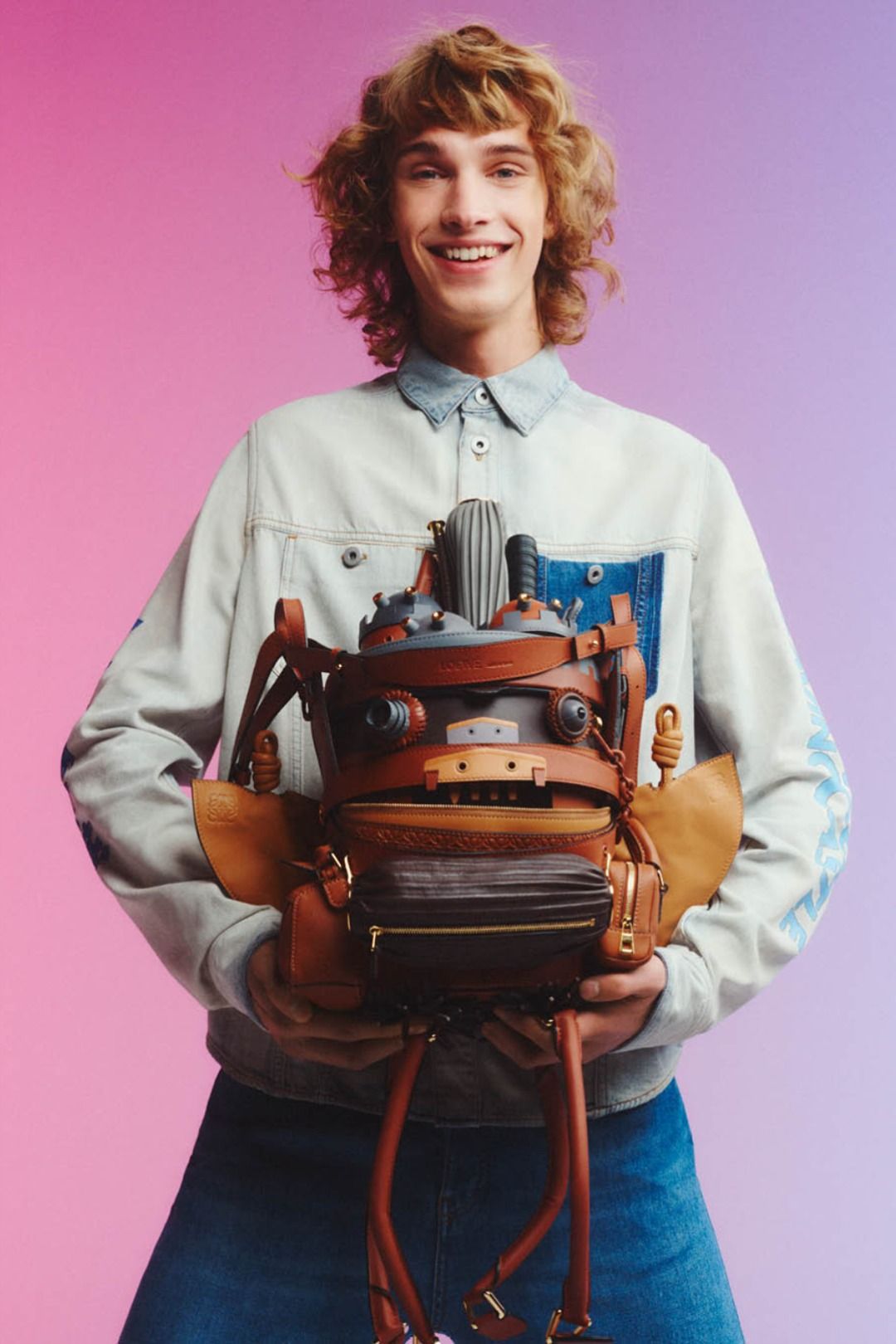
Of the four routes, exactly one was built to outlive its author.
- TRANSFERRED
The Craft Prize
A foundation, a jury, a calendar and nine years of laureates. It has an institutional existence independent of whoever runs the collections, and it keeps the house inside the craft conversation by default rather than by effort.
- DID NOT TRANSFER
The relationships
Ghibli, Guadagnino, the artists, the exhibition curators. Each was a personal alignment, and each has to be rebuilt from the beginning by the people who arrived in April 2025.
The Craft Prize is the most underrated decision of the twelve years. It converted a personal interest in craft into a permanent institution with a budget, a jury and a reputation of its own — which is the only reliable way to make cultural capital survive the person who assembled it.
Everything else was, in the end, a series of introductions.
05 What Loewe teaches.
- Lesson 01
Cultural capital is bought with judgement, not budget
Loewe's growth came from four routes no competitor could simply outspend: a prize, a partnership, a film and an exhibition practice. Each required being trusted rather than being able to pay.
- Lesson 02
Personal networks are rented, not owned
The relationships that made the house legible belonged to a person and left with him. Any house running this strategy should know which of its assets are on the lease.
- Lesson 03
Institutions are how you keep it
The Craft Prize is the part of the strategy that survived the succession, because it was built as an institution rather than as a campaign. That distinction is the difference between a decade of work retained and a decade restarted.
- Lesson 04
Succession design reveals the diagnosis
LVMH replaced one creative director with two founders who arrive as a unit. The shape of the appointment tells you what the group thought it was losing.
It is too early to judge the new chapter. McCollough and Hernandez took over in April 2025 and have had barely a year of collections; the fair test is three or four seasons away, and their Proenza Schouler record suggests they arrive with cultural credit of their own.
What the twelve years already settled is the underlying proposition. Cultural intelligence is a genuine competitive advantage in luxury — measurable, in this case, at roughly four times revenue. It is also the least transferable asset a house can hold, and the only reliable way to keep any of it is to build something with a jury, a calendar and a name of its own before the person who supplied it moves on.
Sources & Further Reading
- 01 WWD. (2025, March). Loewe confirms Proenza Schouler's designing duo as creative directors.
- 02 Fashion Dive. (2025, March). Loewe names former Proenza Schouler team as creative directors.
- 03 FashionUnited. (2025, September). Loewe grew by 9% in Jonathan Anderson's final year.
- 04 Loewe Foundation. Loewe Foundation Craft Prize.
- 05 Loewe / Studio Ghibli. (2023, February). Loewe x Howl's Moving Castle — final instalment of the collaboration.
- 06 Cultured. (2024, March 22). Loewe has always been fun — Jonathan Anderson proves it with an exhibition in Shanghai.
- 07 The Numbers. (2024). Challengers — box office and financial information.
- 08 Beverland, M. B. (2005). Crafting brand authenticity: The case of luxury wines. Journal of Management Studies, 42(5), 1003–1029.
- 09 Han, Y. J., Nunes, J. C., & Drèze, X. (2010). Signaling status with luxury goods: The role of brand prominence. Journal of Marketing, 74(4), 15–30.
Cite this case study
The Codes of Luxury. (2026, November 8). Loewe: Cultural intelligence as competitive advantage (Case N°24). https://codeofluxury.cloakify.pro/case-studies/loewe-cultural-intelligence-as-competitive-advantage