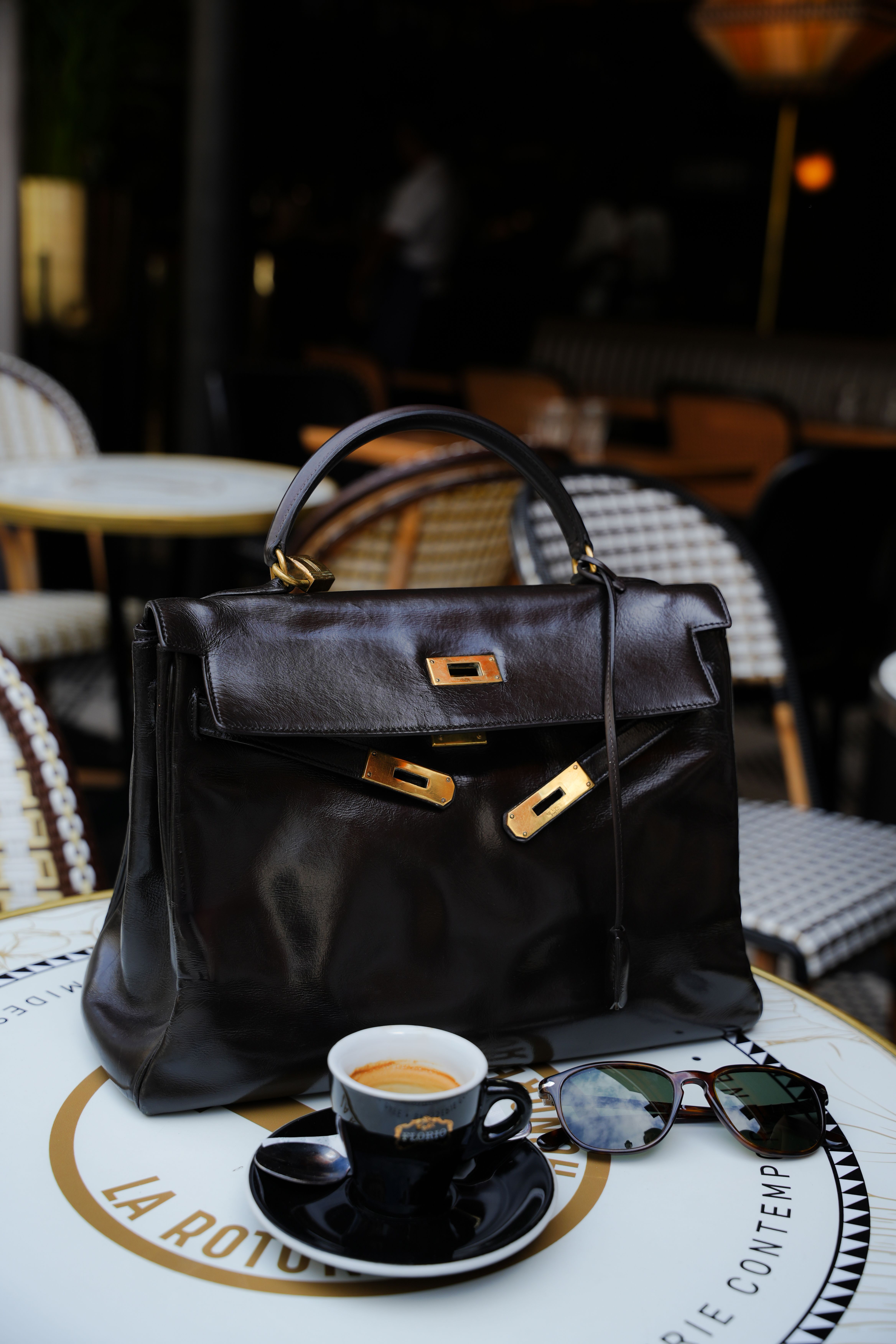
The Birkin resale premium fell from 2.2× retail in 2022 to 1.4× in late 2025. At the same time, Sotheby's reported Birkin and Kelly sales grew 44% in 2025, with average selling prices up 35%. These numbers appear to contradict each other. Understanding why they don't — and what both tell us about Hermès's brand health — is one of the most instructive exercises in luxury market analysis available right now.
The Hermès resale market in 2025–2026 has generated two distinct and apparently contradictory sets of data. The first: according to Bernstein Research's Secondhand Pricing Tracker, the average resale premium for Birkin and Kelly bags fell from 2.2 times retail in 2022 to 1.4 times in late 2025. The second: according to Sotheby's, Birkin and Kelly sales grew 44% in 2025 compared to 2024, with average selling prices up approximately 35%.
Both sets of data are accurate. The apparent contradiction resolves when you understand what is being measured — and what the two metrics reveal about the same underlying market reality from different angles.
01 Understanding the two metrics.
The Bernstein premium metric measures the ratio of resale price to retail price — how much more than retail a bag sells for on the secondary market. In 2022, at the peak of pandemic-era luxury speculation, a Birkin retailing at $10,000 was selling on resale for approximately $22,000. In late 2025, that same bag retailing for $13,500 (Hermès has raised retail prices 7% in early 2025, then another 5–10% mid-year, then 6–7% in early 2026) was selling on resale for approximately $18,900.
The Sotheby's metric measures absolute sales volume and average selling price in nominal terms. As retail prices have risen substantially — the Birkin 25 in Togo leather went from $10,400 in 2023 to $13,500 in 2026 — the absolute resale price has risen too, even as the premium ratio has compressed. The bag is worth more in dollars. It is worth proportionally less relative to its retail price.
2.2× → 1.4×
Birkin premium compression 2022 → late 2025 (Bernstein Research Tracker)
+44%
Sotheby's Birkin & Kelly sales volume growth 2024 → 2025
+92%
Birkin resale prices since 2015 — more than 2× the rate of retail price increases (Rebag)
02 What the compression actually means.
The compression from 2.2× to 1.4× is, in context, a correction from extreme speculation to elevated normalcy — not a collapse in brand value. The 2022 peak was historically anomalous: a combination of pandemic-era wealth concentration, global travel restrictions that prevented new Birkin purchases (which require in-boutique relationships), and speculative investment behaviour that treated Birkins as alternative assets.
The recent pullback in Birkin and Kelly resale premiums looks more like a sentiment check than a direct hit to near-term results. The biggest current risk still sits with softer demand from aspirational and China-based customers — not secondary market price moves."— Simply Wall Street analysis, 2025— TCL Analysis
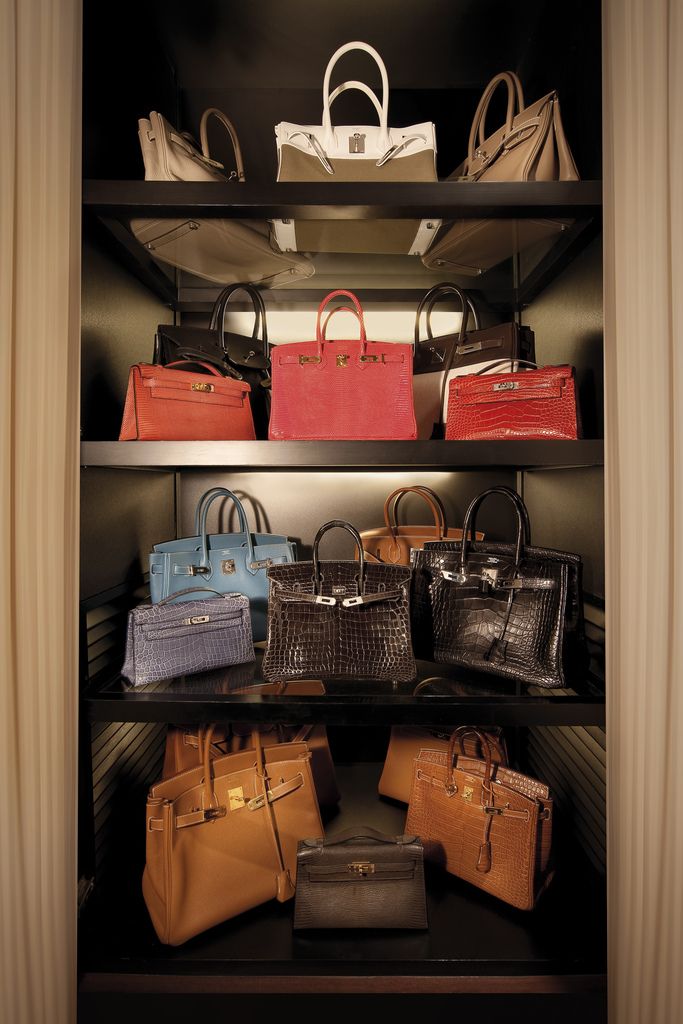
The Rebag 2025 annual report confirms the longer-term picture: Birkin resale values have grown at a pace more than twice that of Hermès retail price increases since 2015. In 2025 alone, Birkin resale prices surged 92% while retail pricing rose 43%. The Kelly Mini II sold for 282% over its original sticker price. The Sellier Birkin for 183%. Core Hermès styles exceeded a 110% retention rate.
These are not the numbers of a brand in secondary market distress. They are the numbers of a brand whose secondary market has normalised from speculative excess to structural strength — still commanding significant premiums, still growing in volume, still the dominant force in the luxury handbag resale category by a wide margin.
03 The four factory signal — and what it means for future pricing.
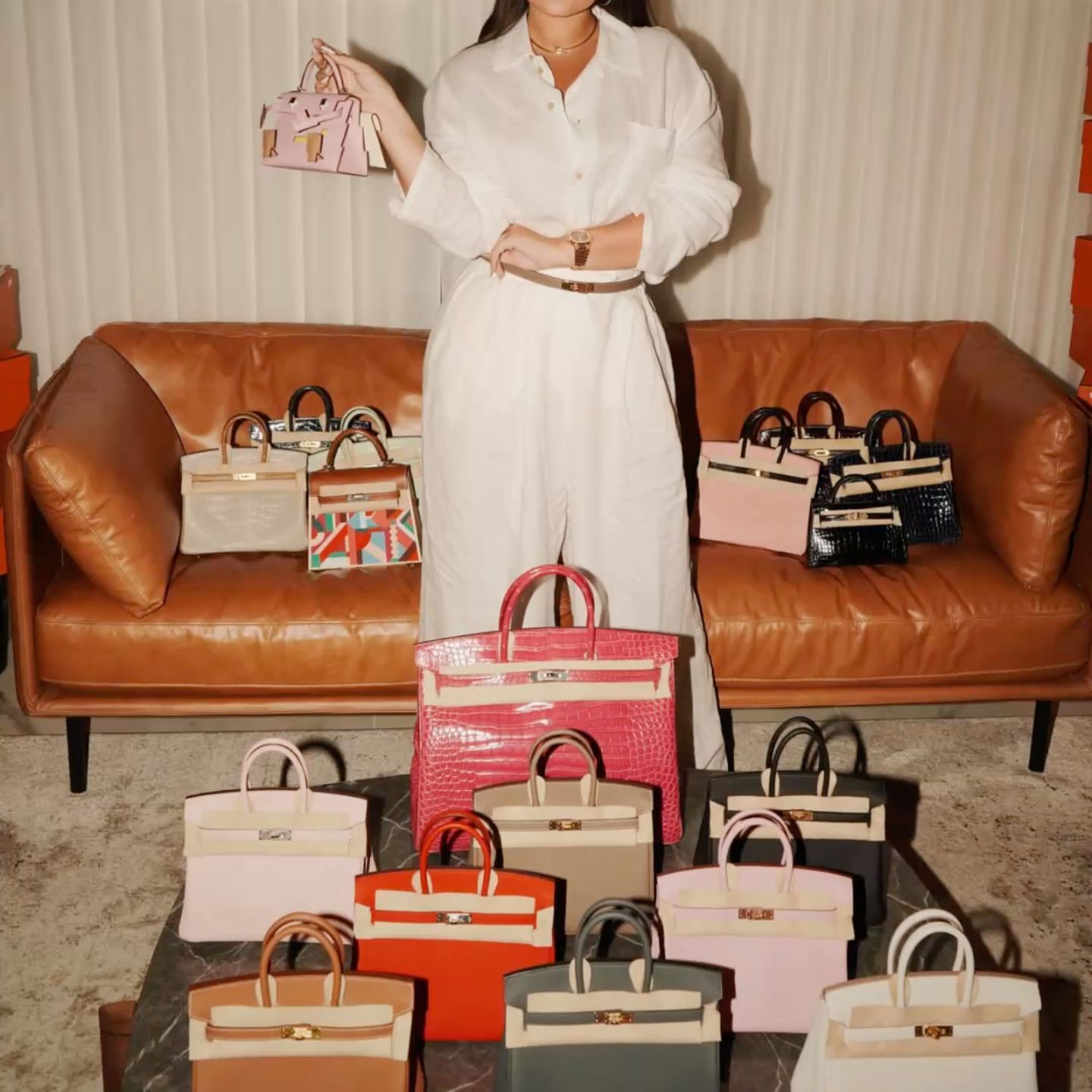
In 2025, Hermès announced plans to build four new factories to meet rising demand — a production expansion that, by the logic of scarcity economics, should reduce the secondary market premium by increasing supply. This is the risk that premium trackers are watching most closely.
- The bear case
More supply = lower premium
If Hermès meaningfully increases Birkin and Kelly production, the permanent gap between supply and demand that drives the secondary premium narrows. The speculative investment case weakens as the bag becomes more accessible.
- The bull case
Demand grows faster than supply
Hermès's customer base is expanding globally — China recovering, Middle East growing, US sustained. If demand grows faster than the four-factory production increase, the supply-demand gap is maintained and premiums stabilise or recover. Hermès H1 2025 results support the bull case in the near term: sales of €8,034 million, net income of €2,246 million — the core business driven by primary demand, not speculative resale activity. The premium compression has not, to date, affected Hermès's primary business performance in any measurable way.
04 What the secondary market tells us about primary brand health.
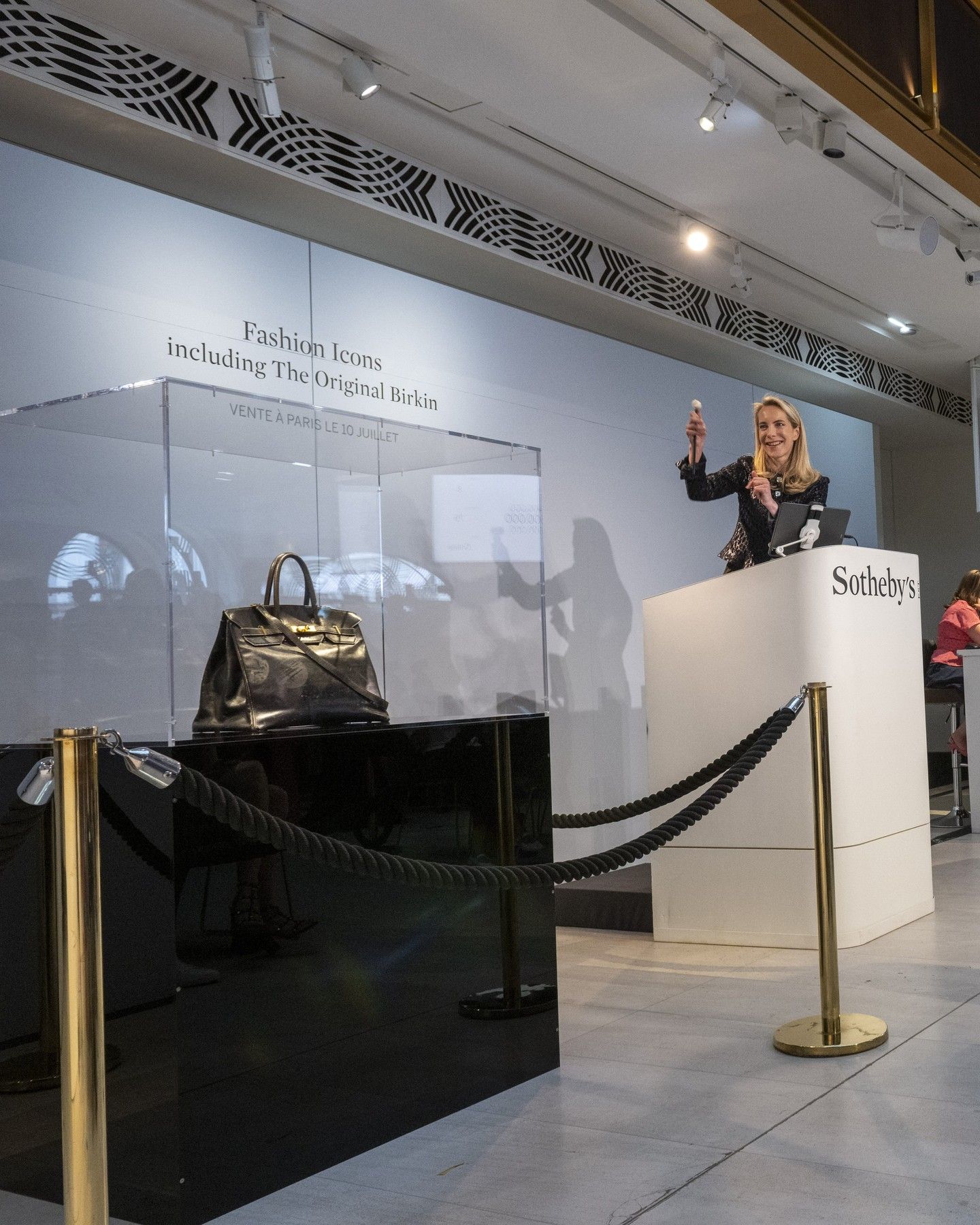
The Hermès resale case offers a methodological lesson about what secondary market data actually measures. A rising premium indicates speculative demand — the belief that the asset will appreciate faster than it can be replaced. A falling premium, in the absence of falling absolute prices or falling volume, indicates normalisation — the return from speculative excess to genuine demand.
The distinction matters for brand analysis. The 2022 Birkin premium of 2.2× was not a sign of brand strength at its maximum — it was a sign of market distortion. The 2025 premium of 1.4× is not a sign of brand weakness — it is a sign of market normalisation to a level that, for any other luxury brand, would represent an extraordinary commercial achievement.
Hermès's actual risk in 2025–2026 is not the secondary market. As the Simply Wall Street analysis correctly identifies, it is primary demand from aspirational and Chinese consumers — the same softness visible across the luxury market — and whether the four-factory expansion, over time, dilutes the perception of scarcity that underlies the brand's entire value proposition.
- Lesson 01
Premium ratio ≠ brand health
A falling resale premium can indicate normalisation from speculation, not weakness. Reading secondary market data requires understanding what drove the prior peak — and whether its moderation is structural or cyclical
- Lesson 02
Volume and price can diverge
44% more Birkins sold at 35% higher average prices, while the premium ratio fell. These are not contradictory — they reflect retail price inflation raising the absolute resale floor while the speculative overpremium normalises
- Lesson 03
Secondary market is a leading indicator
The Birkin premium peaked in 2022 — two years before the luxury slowdown became visible in primary market results. Secondary market behaviour often signals shifts in consumer sentiment before earnings calls do
- Lesson 04
Scarcity is a manufactured condition
The four-factory expansion is a test of Hermès's most fundamental brand mechanism. If more Birkins enter the market faster than demand grows, the supply-demand gap narrows — and with it, the premium that defines the brand's investment logic
Sources & Further Reading
- 01 Bernstein Research Secondhand Pricing Tracker (via Yahoo Finance). (2025, December). Birkin premium fell from 2.2× (2022) to 1.4× (late 2025). — "Gen Z reality check: Birkin resale prices slump"
- 02 Sotheby's. (2026, January 27). Higher Hermès Bag Prices in 2026: What You Need to Know. — Birkin & Kelly sales +44% in 2025, average selling price +35%, Mini Kelly +8.6% retail increase 2026.
- 03 Rebag Annual Resale Report. (2025, December). Birkin +92% resale prices since 2015 vs. +43% retail; Kelly Mini II +282%; Sellier Birkin +183%; core styles >110% retention rate.
- 04 Robb Report. (2025, December 10). Birkin Bags Have Appreciated 92% on the Resale Market Over the Last Decade. — eight Hermès offerings above retail in 2025, four new factories announcement.
- 05 Simply Wall Street. (2025). Does Cooling Birkin Premiums and New Handbag Funds Subtly Recast Hermès' Luxury Moat? — "sentiment check not direct hit," aspirational/China demand as primary risk, H1 2025 results (€8,034M sales, €2,246M net income)
- 06 The Luxury Closet. (2026, May 27). Resale Value of a Hermès Birkin and Kelly in 2026. — 1.4–2× retail current range, Birkin 25 Togo price history ($10,400 → $13,500), annual price increase pattern.
- 07 Sotheby's. (2026, January 21). Hermès Raises Kelly Bag Prices. — Kelly Mini II resale $30,000–36,000, Kelly sales +10% 2025, 6–12 month lag on resale following boutique increases.
Cite this case study
The Codes of Luxury. (2026, June 17). Hermès and the resale market: What the Premium Compression really means (Case N°15). https://codeofluxury.cloakify.pro/case-studies/hermes-and-the-resale-market-what-the-premium-compression-really-means