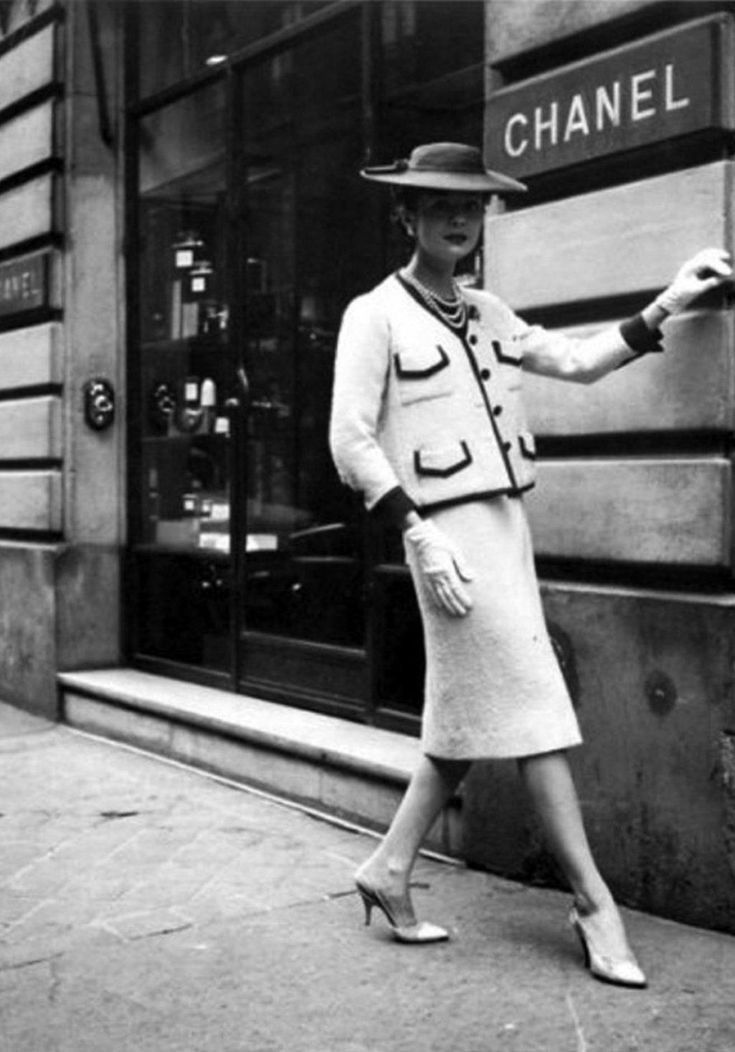
Chanel does not publish annual reports. It rarely gives interviews. Its prices appear with no public justification. And yet it is one of the most studied, copied, and coveted brands on earth. The strategy of controlled mystery is not an accident — it is architecture.
There is a version of Chanel's story that is very well known: Gabrielle Chanel liberates women from the corset, invents the little black dress, launches No. 5, and creates a house that outlasts her by half a century. Karl Lagerfeld arrives in 1983 and reimagines the codes without erasing them. The interlocking Cs, the quilted leather, the tweed — all survive, all evolve, all remain unmistakably themselves.
This is mythology. What is less discussed is the machinery behind it — the specific strategic decisions that have kept Chanel relevant, profitable, and genuinely mysterious in an era when almost nothing remains undisclosed. Understanding those decisions, and what they reveal about luxury brand strategy, is the purpose of this case study.
01 The strategic logic of silence.
Chanel remains privately held by the Wertheimer family — one of the last major luxury houses not listed on public markets. This single fact has profound strategic consequences. Unlike LVMH or Kering, Chanel is under no obligation to publish quarterly results, explain strategic pivots to analysts, or manage shareholder expectations about short-term performance. The opacity is structural, not cosmetic.
The brand does not disclose annual revenues through stock market filings — figures circulate through analyst estimates and occasional voluntary disclosures. This silence is itself a signal: it communicates that Chanel operates on a different timescale from publicly traded competitors, one measured in decades rather than quarters. When Chanel does choose to speak — through a campaign, a price increase, a store opening — the communication carries weight precisely because it is rare.
Private ownership proved strategically crucial during multiple inflection points. When Karl Lagerfeld transformed Chanel from 1983 onward, the Wertheimers supported his vision through years of investment before commercial payoff materialised. Public companies facing shareholder pressure might have demanded faster returns.— TCL Analysis
The same logic explains Chanel's approach to digital presence. The brand maintains zero posts on its official TikTok fashion account — a deliberate choice in an era when presence on that platform is considered mandatory by most luxury competitors. The absence is strategic: it communicates that Chanel defines the terms of its own visibility rather than adapting to platform logic.
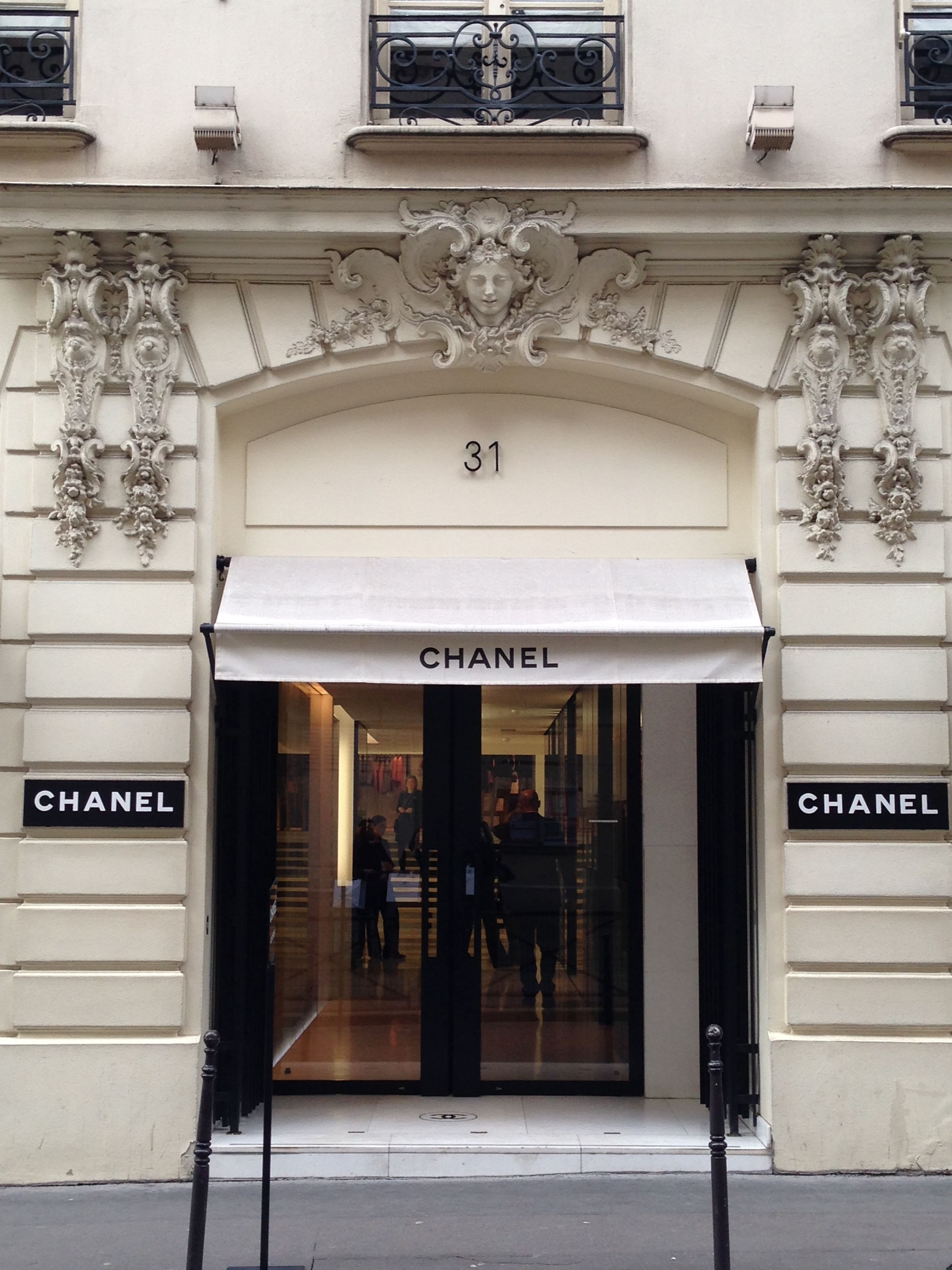
02 Price as narrative.
Chanel's pricing strategy between 2020 and 2023 was one of the most aggressive in the luxury industry. The Classic Medium Flap Bag rose from approximately $6,500 in 2020 to over $10,000 by 2023 — an increase of roughly 59% in three years. The stated rationale was alignment with global price parity and rising production costs. The unstated logic was clearer: price as a signal of permanence, as a deterrent to the aspirational customer, as an argument that Chanel belongs to a category beyond ordinary luxury.
$19.7B
Revenue 2023 — peak, with 16% year-over-year growth
Chanel voluntary disclosure, 2024
−4.3%
Revenue decline in 2024 to $18.7B — first decline since pandemic
Chanel 2024 financial results
+43%
Capital expenditure increase in 2024 — $1.8B invested despite revenue decline
Chanel / Glossy, 2025
The strategy worked — until it didn't. By 2024, after cumulative price increases of 59% since 2020, volumes dropped by approximately 7% year-over-year. Revenue fell 4.3% to $18.7 billion. Operating profit declined 30%. The brand had found the limit of what consumers — even loyal Chanel consumers — would accept without a corresponding shift in product or experience. As one analyst put it: "Chanel's pricing strategy clearly tested the limits of what consumers are willing to accept — even in luxury."
Chanel's response was instructive: not a retreat from the strategy, but a recalibration. The brand reduced price increases to approximately 3% in 2024 and simultaneously increased capital investment by 43% to a record $1.8 billion — spending on manufacturing capability, retail refurbishment, and brand support including a $2.45 billion commitment to marketing. The message was clear: the price will hold, but the justification must deepen.
03 The archive as a living asset.
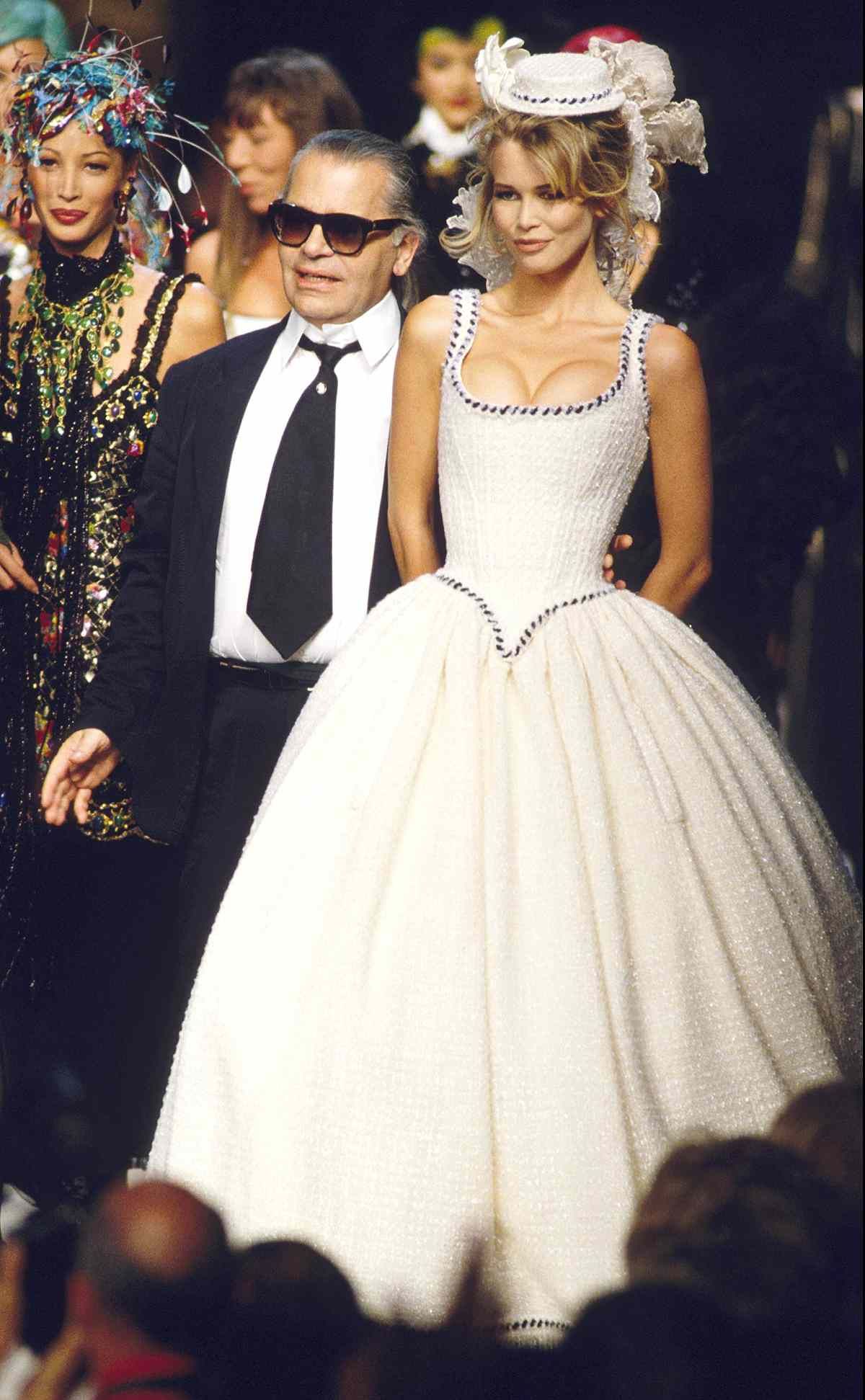
One of Chanel's most distinctive strategic assets is its archive — an estimated 100,000+ objects spanning the full history of the house. Unlike many luxury brands that treat their archives as heritage museums or press assets, Chanel deploys its archive as an active creative and commercial resource.
- 1983
Lagerfeld's systematic reactivation
Karl Lagerfeld begins systematically reinterpreting Coco's codes — tweed, chains, camellias, the interlocking Cs — creating a template for archive-as-creative-system that defines Chanel's approach for the next four decades
- 2011
Inside Chanel digital series
Launch of the documentary series exploring the house's history, founders, and creative DNA — 8.6M+ views on the Coco chapter alone. Heritage storytelling as content strategy, with the archive as primary source material
- 2019
Virginie Viard succession
Following Lagerfeld's death, Virginie Viard — his longtime collaborator — continues rather than reimagines, prioritising code stewardship over creative disruption. A deliberate choice to protect the archive's integrity during transition
- 2024
Matthieu Blazy appointment
Appointment of Matthieu Blazy as Creative Director marks a new phase: a designer known for reinterpreting craft and material codes with contemporary intelligence, signalling that Chanel is entering a period of active archive translation rather than preservation
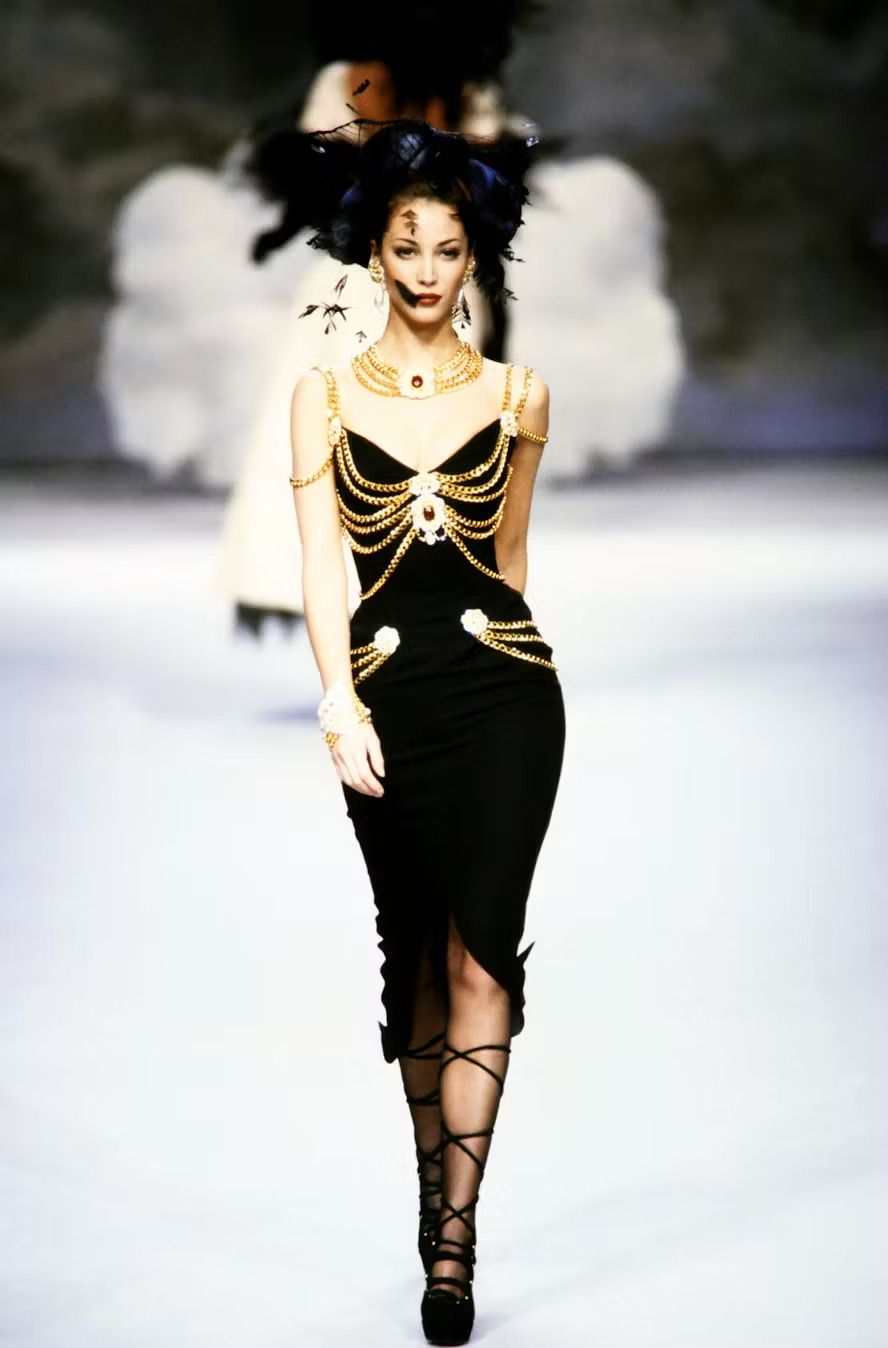
04 What the 2024 correction reveals.
The 2024 revenue decline is often read as a failure of Chanel's pricing strategy. It is more accurately understood as a clarification of the limits of a specific tool. Price can communicate exclusivity, but it cannot substitute for it. When price increases outpace the consumer's perception of value — in product, experience, or cultural meaning — the signal becomes noise.
The correction also revealed something important about Chanel's underlying strategic position. Despite the revenue decline, the brand increased capital investment, maintained its distribution discipline, and did not resort to discounting or expanded access. It absorbed a difficult year without compromising the long-term brand architecture. That capacity — to take a short-term hit without short-term panic — is precisely what private ownership enables. And it is, arguably, Chanel's most durable competitive advantage.
- Lesson 01
Silence is a signal
Controlling what you say — and when — is as important as controlling what you make. Chanel's strategic opacity is an asset, not a liability
- Lesson 02
Price has limits
Price signals value, but it cannot create it. When increases outpace perceived quality and experience, even the most loyal customers push back
- Lesson 03
The archive is a system
Heritage is most powerful when it is actively interpreted, not passively preserved. The archive is a creative toolkit, not a museum
- Lesson 04
Ownership structure is strategy
Private ownership gives Chanel the capacity to take long-term decisions that publicly traded competitors cannot sustain under quarterly pressure
The paradox of Chanel is that the brand is an open secret — its codes are universally legible, its history is endlessly documented, and its products are globally recognised. And yet it retains an opacity that most brands, for all their efforts at mystique, cannot replicate. The difference is not what Chanel hides. It is what it chooses not to say.
Sources & Further Reading
- 01 Chanel S.A. (2024). Financial results 2023. Voluntary public disclosure — revenue $19.7B, 16% YoY growth.
- 02 Chanel S.A. (2025). Financial results 2024. Revenue $18.7B (−4.3%), operating profit −30%, capex $1.8B (+43%)
- 03 Glossy. (2025, May 28). Luxury Briefing: Inside Chanel's plan to scale back price hikes and double down on brand equity. glossy.co — pricing strategy analysis, Bernstein estimates, Melissa Roth Mendez commentary.
- 04 Kapferer, J.-N., & Bastien, V. (2012). The Luxury Strategy: Break the Rules of Marketing to Build Luxury Brands. Kogan Page. — framework for luxury brand management; referenced in Chanel academic analyses (2023–2025)
- 05 Beverland, M. B. (2006). The 'real thing': Branding authenticity in the luxury wine trade. Journal of Business Research, 59(2), 251–258. — authenticity framework applied to Chanel's archive strategy.
- 06 Creevey, D., Coughlan, J., & O'Connor, C. (2022). Social media and luxury: A systematic literature review. International Journal of Management Reviews (Wiley). — context for Chanel's deliberate absence from TikTok.
- 07 McKinsey Global Fashion Index. (2025). The State of Fashion 2026: When the rules change. — luxury market context and strategic reset framing.
- 08 Batra, R., Ahuvia, A., & Bagozzi, R. P. — Brand Love
- 09 Beverland, M. B. — Crafting Brand Authenticity: The Case of Luxury Wines
Cite this case study
The Codes of Luxury. (2026, May 6). Chanel: The paradox of the open secret (Case N°01). https://codeofluxury.cloakify.pro/case-studies/chanel-the-paradox-of-the-open-secret