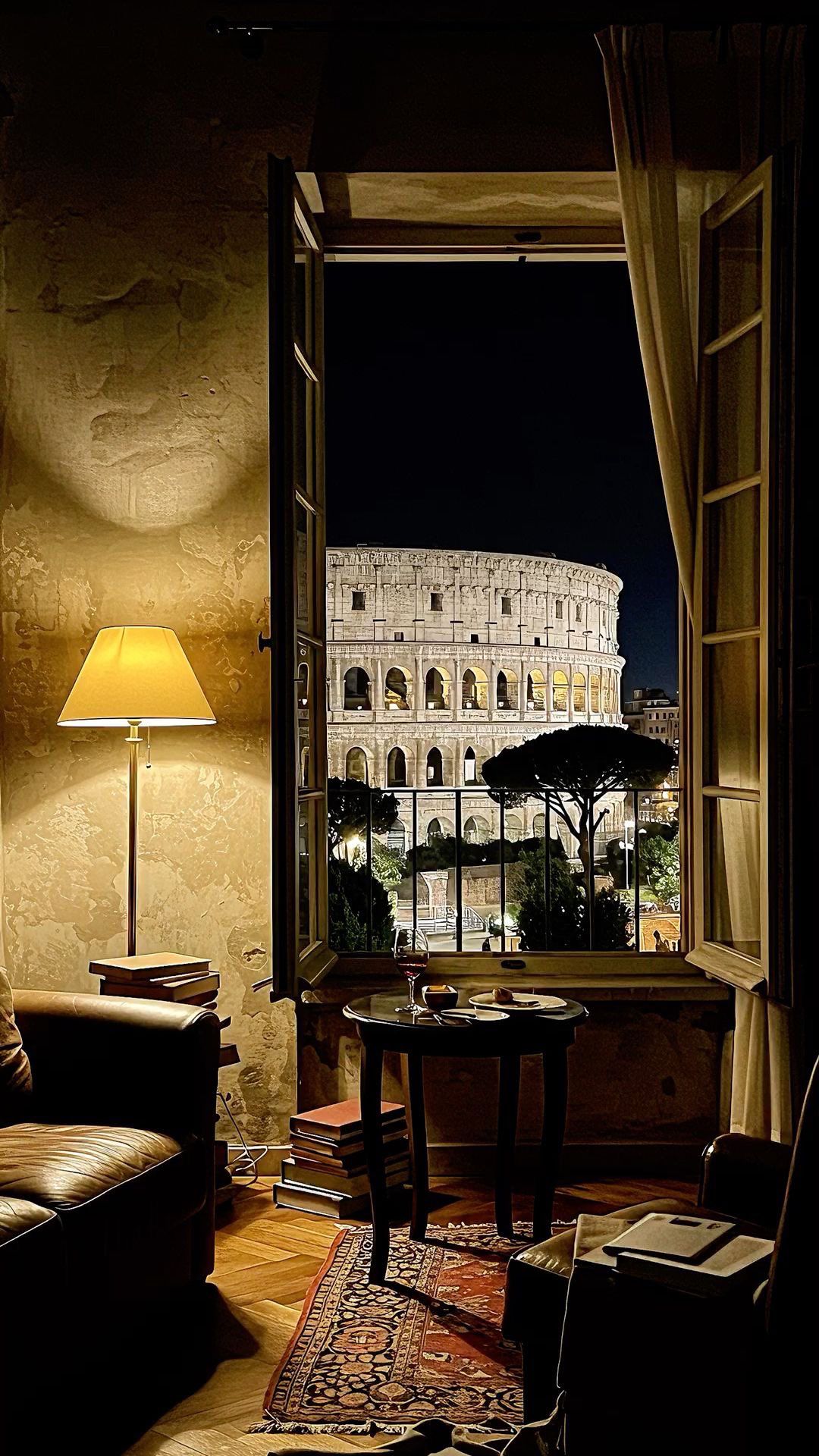
Extending a luxury brand into hospitality is one of the riskiest strategic moves in the industry. Most attempts fail — not because the brand lacks prestige, but because prestige cannot simply be transplanted. Bulgari Hotels is among the rare cases where the extension has worked — and understanding why reveals something fundamental about what brand extension actually requires.
In 2001, Bulgari — then an independent Italian jewellery house founded in Rome in 1884 — formed a joint venture with Marriott International to develop ultra-luxury hotels. The first property opened in Milan in 2004. The premise was straightforward in theory and extraordinarily difficult in practice: translate the brand's jewellery identity — its Italian craftsmanship, its use of rare materials, its Roman aesthetic heritage — into a physical space where guests would spend days or weeks, not minutes.
Twenty-four years later, Bulgari Hotels operates nine properties across Milan, London, Dubai, Beijing, Shanghai, Moscow, Tokyo, Paris, and Rome — with Miami Beach, Los Angeles, and Maldives in development. The Bulgari Hotel Roma, which opened in 2023, was voted best hotel in the world at the Virtuoso conference for luxury travel counsellors. And the brand has done this while deliberately limiting itself to a maximum of 15 properties globally — a constraint that is, as this case explores, not a limitation but a strategic principle.
01 The theory of brand extension — and where it usually fails.
Academic research on luxury brand extension is consistent on one finding: perceived fit between the parent brand and the extension category is the most critical variable in predicting success. Peng, Bijmolt, Völckner and Zhao's 2023 meta-analysis in the Journal of Marketing — analysing decades of brand extension research — confirmed that both parent brand equity and extension fit significantly and independently predict extension success, with fit being the more controllable variable.
The failure mode for luxury brand extensions is well-documented: when a brand extends into a category that consumers do not perceive as congruent with the parent brand's identity, the extension fails — and, critically, can damage the parent brand. Research by Albrecht et al. (2013) in Psychology & Marketing found that luxury brand extensions require both high parent brand equity and strong perceived fit to succeed; high equity alone is insufficient.
- Extensions that fail
Category without fit
Extensions into categories that feel incongruent with the parent brand's identity — regardless of brand equity strength. The consumer cannot map the brand's values onto the new product
- Extensions that work
Identity translation
Extensions that translate the parent brand's core values — craft, materiality, aesthetic DNA — into a new category. The consumer recognises the brand in the new context Bulgari Hotels succeeds because it falls clearly in the second category. The fit between Bulgari jewellery and ultra-luxury hospitality is not obvious — a hotel is not a ring. But it is legible: both categories are defined by rare materials, exceptional craft, Italian design heritage, and the creation of an experience that is physically and emotionally distinct from the ordinary. The brand's identity translates.
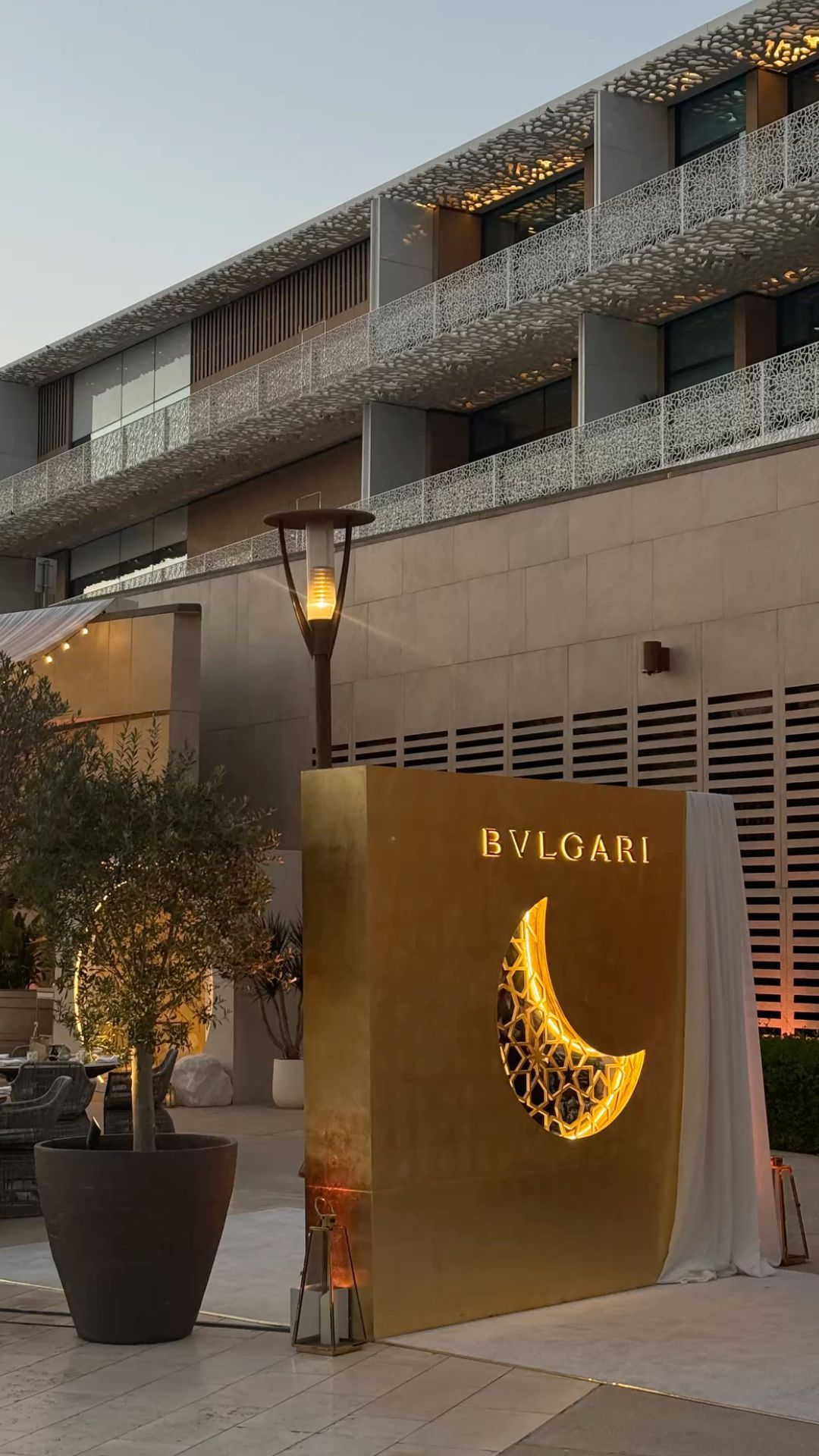
02 What translation actually means.
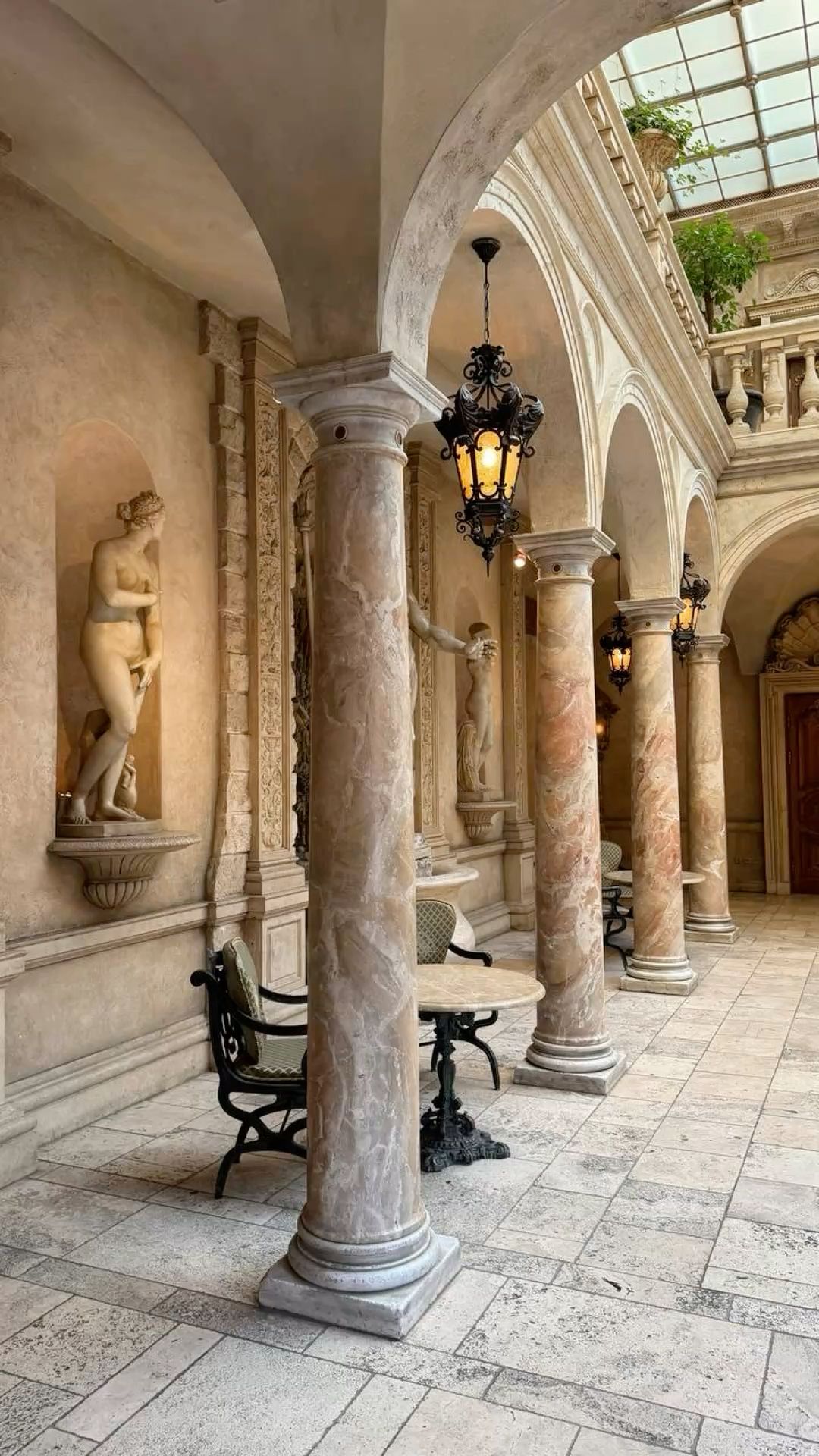
The operational principle that defines Bulgari Hotels is one the brand articulates explicitly: "We've never treated this like a licensing or merchandising exercise." Every design element in a Bulgari Hotel is developed by the brand's internal team, in collaboration with architects who understand the specific brand language. The result is that a Bulgari Hotel does not feel like a hotel that has been branded — it feels like a place that could only be Bulgari.
The consumer perception of Bulgari Hotels is underpinned by the provision of services that are not only a physical space, but also a status symbol and a tangible representation of the lifestyle offered by the brand, based on a legacy of Italian tradition reflected in the brand's values.— García, A., University of Navarra, 2024
This is the distinction between licensing and translation. A licensed brand extension produces a product or space that carries the logo but not the DNA. A translated brand extension produces something in which the logo is almost unnecessary — where the identity is present in the material choices, the spatial logic, the service philosophy, and the sensory experience of being there. Research on luxury fashion brand extensions into experiential services — including Kim et al.'s 2025 study in the Journal of Global Fashion Marketing — confirms that the atmosphere, quality of materials, and brand-consistent experience design are the primary drivers of consumer satisfaction and brand loyalty in these contexts.
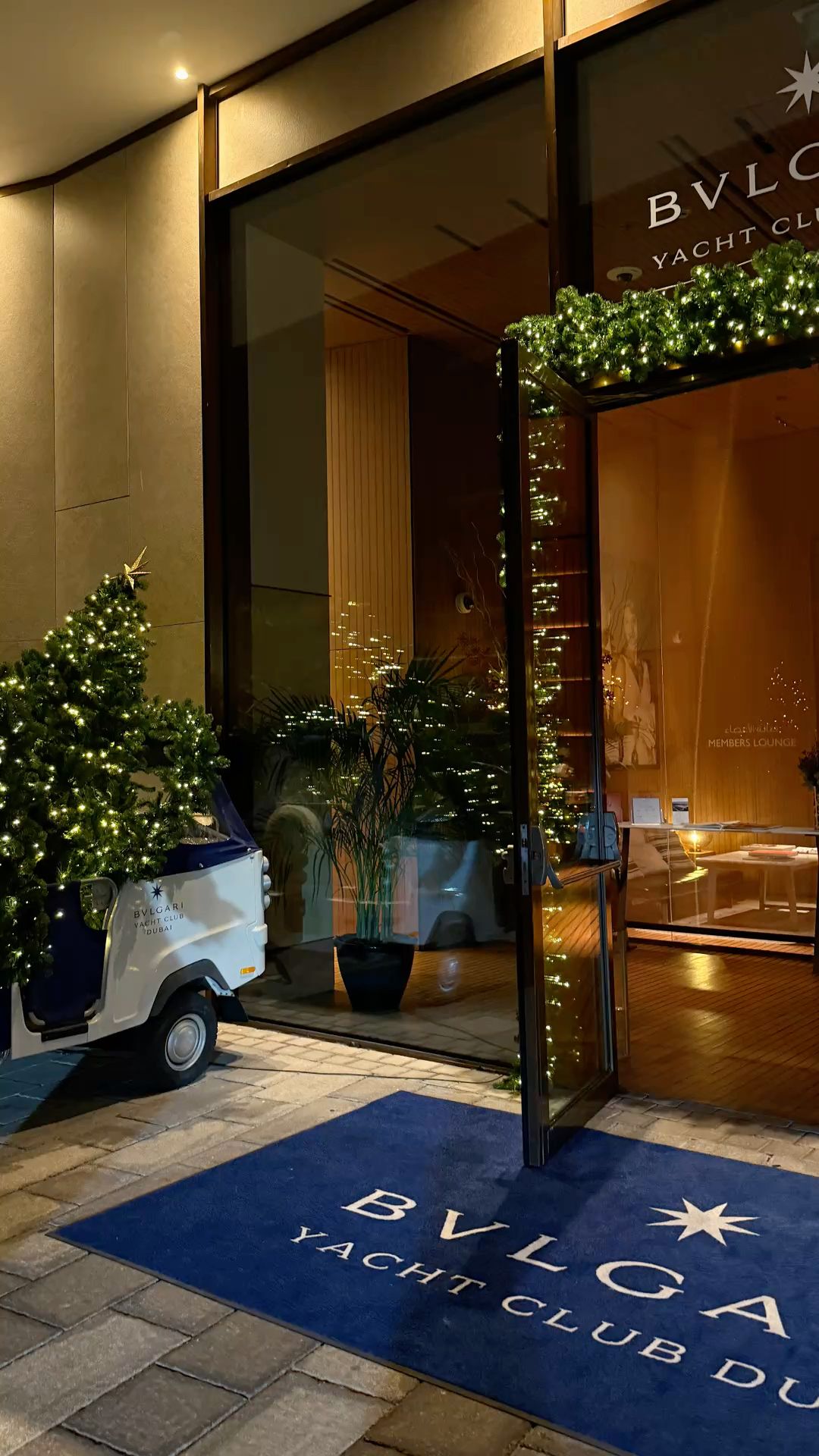
03 Scarcity as strategy.
The most counterintuitive aspect of Bulgari Hotels' strategy is its deliberate commitment to remaining small. In a hospitality industry where scale is the dominant competitive logic — Aman has 34 properties, Rosewood 41, Four Seasons 126 — Bulgari has chosen a ceiling of approximately 15 hotels globally.
9
Current properties globally — Milan, London, Dubai, Beijing, Shanghai, Moscow, Tokyo, Paris, Rome
Bulgari Hotels, 2025
~15
Maximum properties the brand intends to operate — a deliberate ceiling, not a growth target
Jean-Christophe Babin / Skift, 2024
#1
Bulgari Hotel Roma voted best hotel in the world — Virtuoso conference, 2024
Virtuoso / Skift, 2024
The logic is explicit: "It's one thing if you're a brand trying to build 100 hotels worldwide, then you need to be in New York. But if you're a jewellery brand creating hotels as a hospitality concept, then you cannot go wrong." The scarcity of Bulgari Hotels is not a constraint — it is the positioning. A brand that operates nine exceptional properties does not need to be everywhere. Its scarcity is part of what makes each property significant.
This principle extends to the loyalty programme decision: Bulgari Hotels deliberately operates outside Marriott's Bonvoy loyalty programme, despite using Marriott for operational management. The choice communicates that Bulgari guests are not points-accumulators — they are guests of a jewellery house that happens to have hotels. The brand's relationship with its guests is defined by the experience, not by the incentive structure.
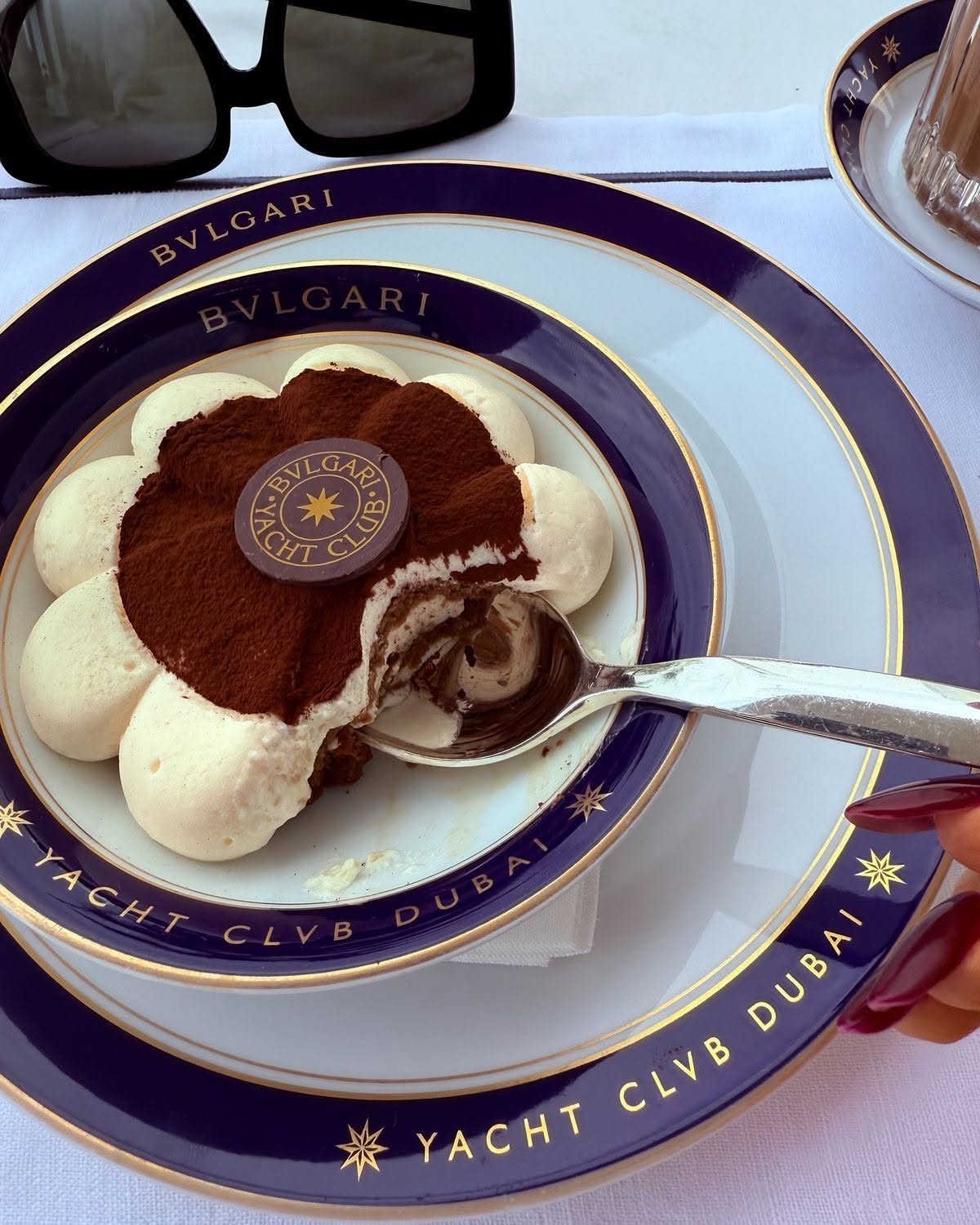
04 The operational architecture behind the brand.
Bulgari Hotels operates through a carefully structured partnership with Marriott International — one of the world's largest hospitality groups — while maintaining strict internal control over branding, design, and guest experience. Marriott provides operational infrastructure: staff training, logistics, booking systems. Bulgari provides everything that the guest actually experiences: the design, the materials, the service philosophy, the brand.
- 01
Asset-light model
Bulgari does not own the real estate. It partners with property owners and develops hotels through renovation rather than new construction — maintaining brand integrity through the quality of the space rather than the economics of ownership
- 02
Location discipline
Properties are selected within approximately a 10-minute walk of luxury shopping districts — physically embedding the hotel in the brand's natural world, and ensuring that the neighbourhood itself reinforces the guest's experience
- 03
Design control
Every interior design element is developed by Bulgari's team. The result is spatial consistency that makes each property unmistakably Bulgari, regardless of the local context — a Bulgari Hotel in Tokyo reads as Bulgari, not as a Japanese hotel with Bulgari branding
- 04
No loyalty programme
Deliberate exclusion from Bonvoy ensures that the relationship between Bulgari and its guests is defined entirely by the experience, not by the incentive architecture of a points system
05 What Bulgari Hotels teaches about brand extension.
The Bulgari Hotels case is the clearest available example of what successful luxury brand extension into a distant product category requires. It is not brand equity alone — many luxury brands with greater equity have failed at similar attempts. It is not the size of the operation — Bulgari's deliberate smallness is part of the strategy. It is the quality and completeness of the identity translation: the degree to which the brand's core values — Italian craft, rare materials, exceptional design, deliberate scarcity — are legible in every element of the guest experience.
The research framework from the University of Navarra's 2024 master's thesis on Bulgari Hotels' consumer perception confirms this: what makes consumers respond positively to Bulgari Hotels is not the Bulgari name on the door, but the experience of encountering Bulgari's values in a new medium. The hotel is not the product. The brand identity, translated into space, is the product.
- Lesson 01
Fit is everything
Extension into a new category succeeds only when the brand's identity translates — when the consumer can recognise the parent brand's values in the new context
- Lesson 02
Translation, not licensing
The distinction between a licensed extension and a translated one is the presence of brand DNA in every design decision — not just the logo on the door
- Lesson 03
Scarcity as positioning
A ceiling of 15 properties is not a constraint — it is a brand statement. Scarcity is what makes each property significant, and what protects the extension from dilution
- Lesson 04
Separate operation from brand
The Marriott partnership shows that operational management and brand identity can be separated — what matters is that the brand controls everything the guest experiences
Bulgari Hotels is not a hotel brand that happens to be owned by a jeweller. It is a jewellery brand that has learned to express itself in space. That distinction — between having a brand and being one — is what separates the extensions that endure from those that merely exist.
Sources & Further Reading
- 01 Peng, C., Bijmolt, T. H. A., Völckner, F., & Zhao, H. (2023). A Meta-Analysis of Brand Extension Success: The Effects of Parent Brand Equity and Extension Fit. Journal of Marketing, 87(5).
- 02 Albrecht, C.-M., Backhaus, C., Gurzki, H., & Woisetschläger, D. M. (2013). Drivers of Brand Extension Success: What Really Matters for Luxury Brands. Psychology & Marketing, 30(8), 647–659.
- 03 Kim, H., et al. (2025). Luxury fashion brand extension: A qualitative exploration of new experiences and social media sharing motivation. Journal of Global Fashion Marketing, 16(4), 543–561.
- 04 García, A. (2024). Luxury Fashion Brands extending into the accommodation industry: The case of Bulgari Hotels and the impact on consumer perception. Master's Thesis, University of Navarra. dadun.
- 05 Skift. (2024, December 9). Bulgari's Contrarian Strategy in Luxury Hotels: Few Locations, No Loyalty Points — direct quotes from Bulgari leadership, strategic positioning data.
- 06 Skift. (2023, April 12). Bulgari Hotels Sees Unhurried Growth as a Way to Retain Its Cachet — 15-property ceiling, competitive context, room rate data.
- 07 Design Research Society. (2025). Fashion brand extension processes in hospitality: The Bulgari Hotels and Resorts case study. DRS Digital Library, RSF2025. dl.
- 08 Kapferer, J.-N., & Bastien, V. — The Luxury Strategy: Break the Rules of Marketing to Build Luxury Brands (2nd ed.)
Cite this case study
The Codes of Luxury. (2026, May 18). Bulgari Hotels: When a Jeweller Becomes a Place (Case N°05). https://codeofluxury.cloakify.pro/case-studies/bulgari-hotels-when-a-jeweller-becomes-a-place