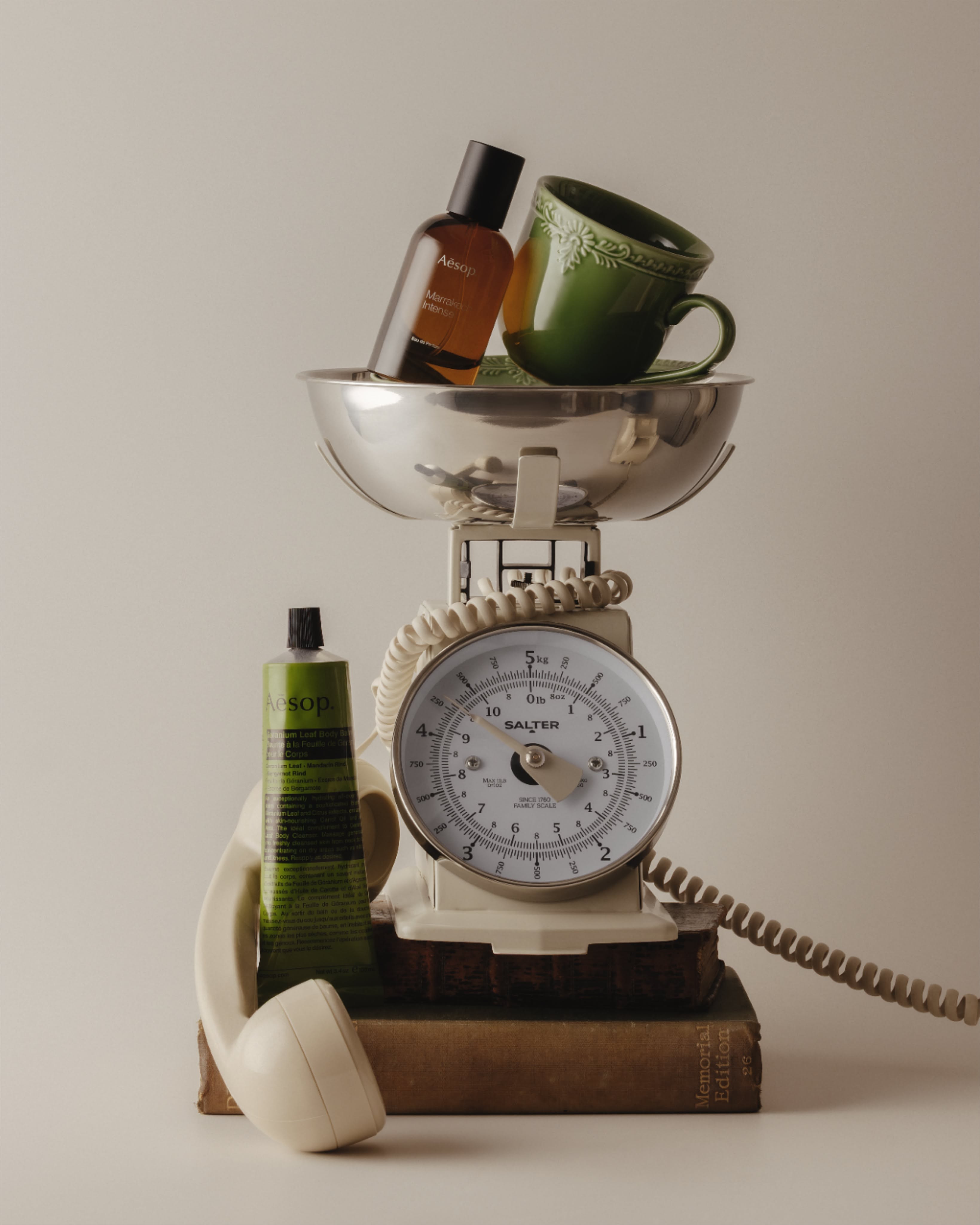
The transaction is usually described as a beauty giant buying a cult brand. That framing misses what makes it interesting. L'Oréal is the most effective scale operator in the industry — its competence is mass distribution, media weight, and category dominance in aisles where shelf space is won by volume. Aesop's entire value rests on doing the opposite of each of those things.
L'Oréal paid roughly 4.7 times revenue for a business whose worth depends on refusing the playbook that made L'Oréal what it is. Three years on, the question of whether that can work has an early answer — and it is not the one most people expected.
01 The price and what it implies.
$2.525BN
ENTERPRISE VALUE, AGREED APRIL 2023 — L'ORÉAL'S LARGEST ACQUISITION ON RECORD AT THE TIME
L'Oréal / Natura &Co
~4.7×
PRICE TO REVENUE, AGAINST AESOP'S 2022 SALES OF $537 MILLION
Derived from published figures
Aug 2023
COMPLETION — AESOP JOINS L'ORÉAL LUXE ALONGSIDE LANCÔME, YSL AND KIEHL'S
L'Oréal
€4BN
KERING BEAUTÉ, COMPLETED MARCH 2026 — THE DEAL THAT SURPASSED IT
L'Oréal
A 4.7× revenue multiple is not extraordinary for beauty. What is extraordinary is the composition of the revenue being multiplied. Aesop's sales come overwhelmingly from its own stores and a small number of hand-picked stockists. There is no mass channel to accelerate, no media budget to increase, no obvious lever L'Oréal could pull on the day after completion.
Which means the price was not paid for the revenue. It was paid for the reason the revenue exists.
02 What L'Oréal cannot build.
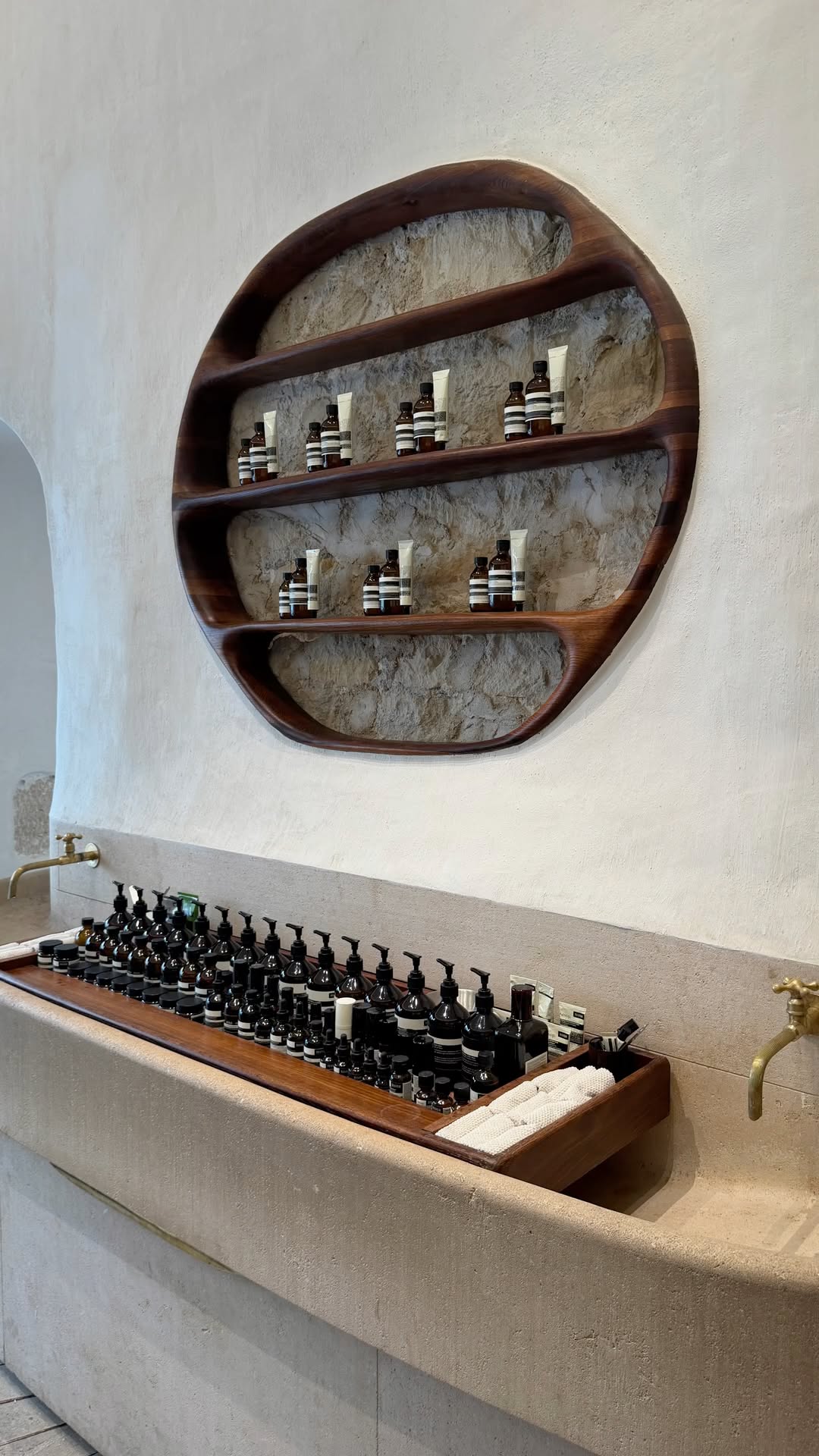
Aesop's brand architecture is unusually explicit, and every element of it is a refusal.
- NO FACES
No celebrity, no campaign
In a category where the ambassador is the product, Aesop has never had one. There is no image to protect and no contract to renew.
- NO TWO ALIKE
Every store a separate commission
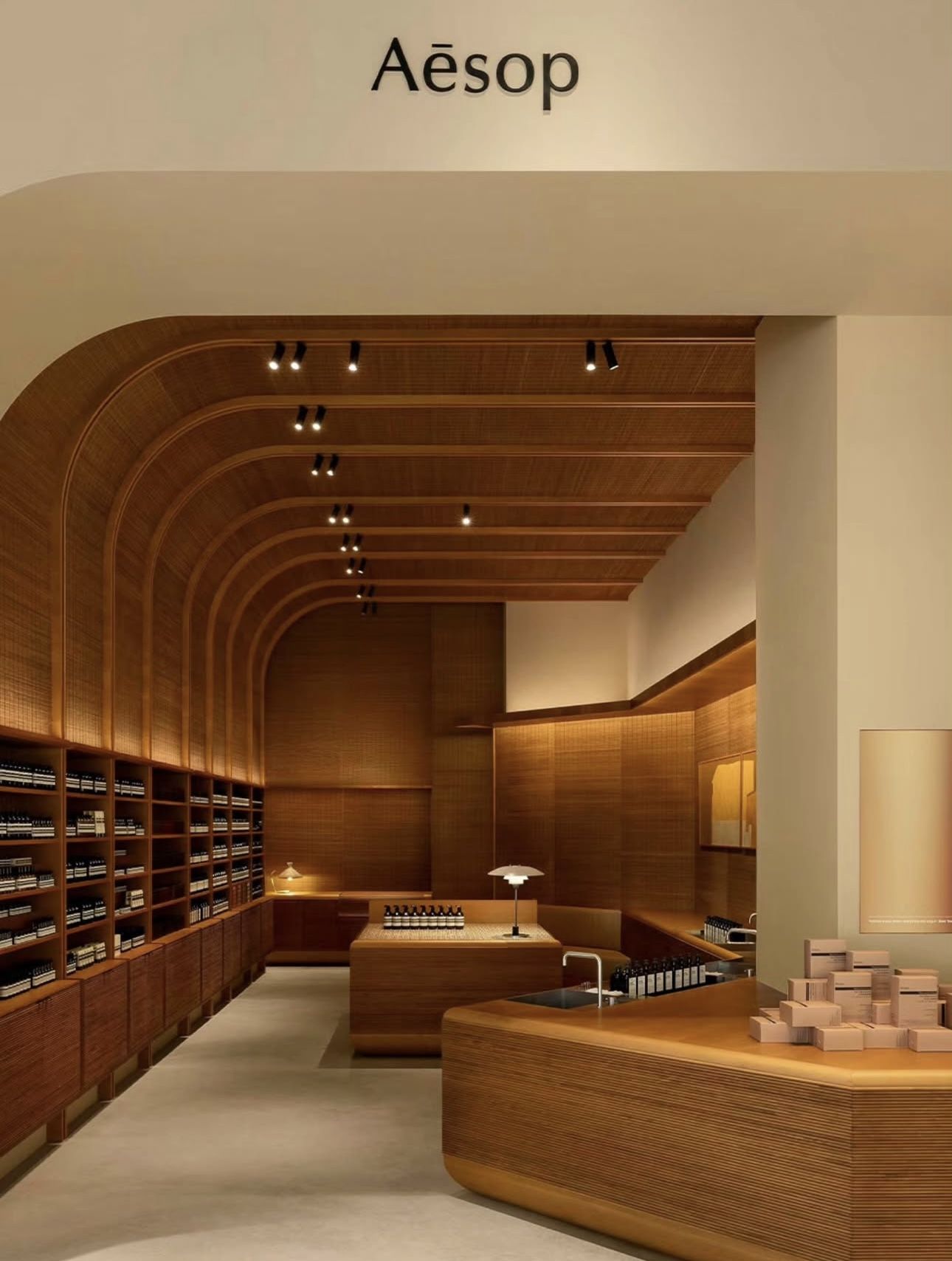
Stores are designed individually, in dialogue with the building and the city. The opposite of a rollout, and impossible to franchise.
- NO SHELF
Distribution as editing
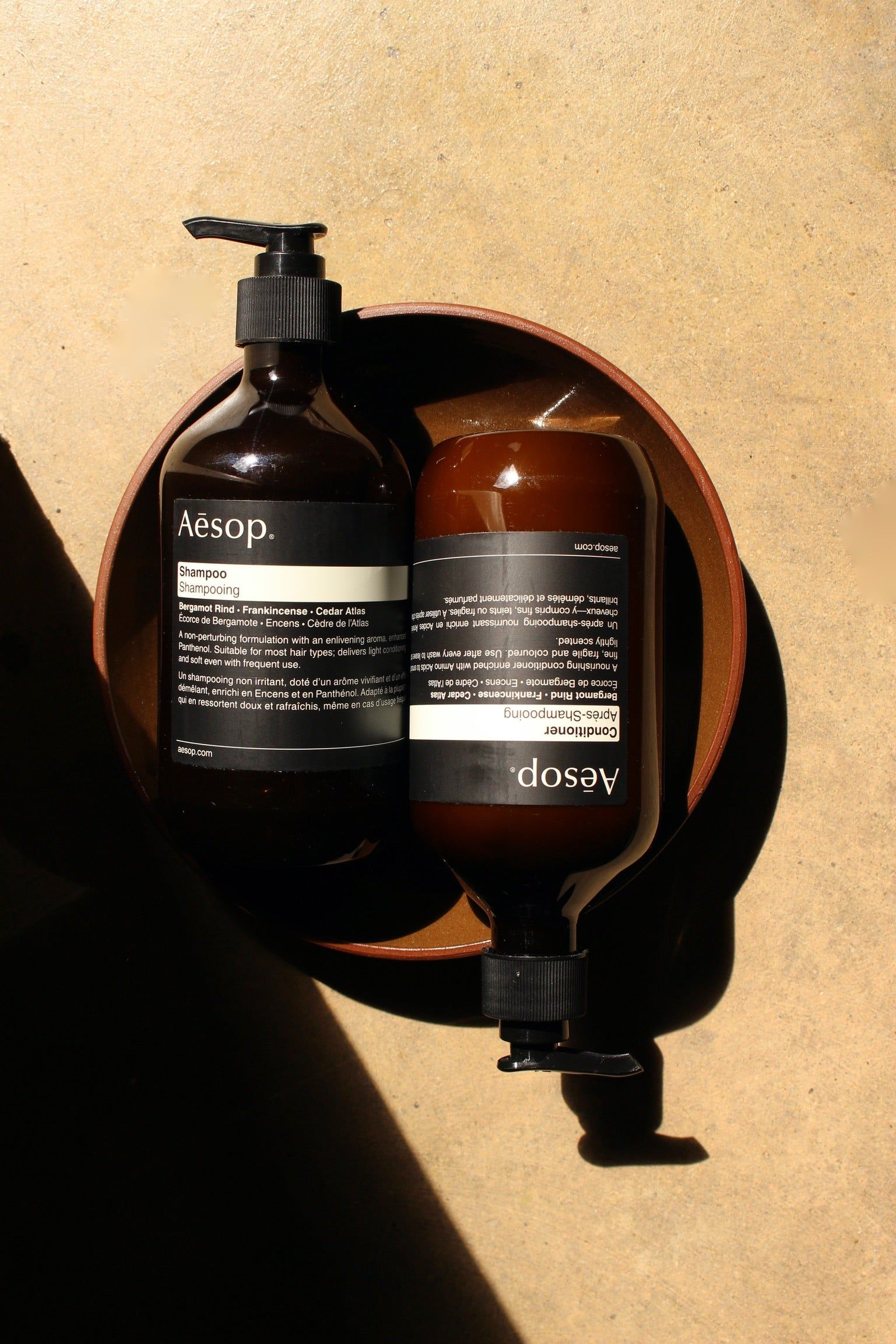
Amber bottles and apothecary labels are unreadable at speed. The packaging assumes you are standing still, which assumes you are not in a supermarket.
This is a brand whose value is stored in the same place Bottega Veneta's is: in the making and the placing, not in a person or a campaign. The difference is that Aesop's version is even harder to acquire, because it is held in hundreds of individual architectural decisions accumulated over decades.
L'Oréal did not buy a beauty brand. It bought a distribution philosophy it is structurally incapable of inventing — and the only reason to pay 4.7 times revenue for one is that you cannot build it at any price.— TCL Analysis
03 The dilution problem.
L'Oréal Luxe president Cyril Chapuy stated the ambition at the time of the deal: confidence that Aesop would join the division's “billionaire brands” club, the eleven or so houses generating more than a billion in annual sales alongside Lancôme, Yves Saint Laurent and Armani.
Getting from $537 million to a billion is roughly a doubling. For most beauty brands that is a distribution question: more doors, more countries, more channel. For Aesop it is a trap. Every additional door in an existing market makes the brand marginally less scarce, and scarcity of placement is the asset being multiplied by 4.7.
This is the standard way conglomerates destroy the brands they buy — not through neglect, but through competent execution of the wrong growth model. The acquirer applies the machinery that works on everything else in the portfolio, and the thing that made the acquisition worth making stops working.
04 Geography, not density.
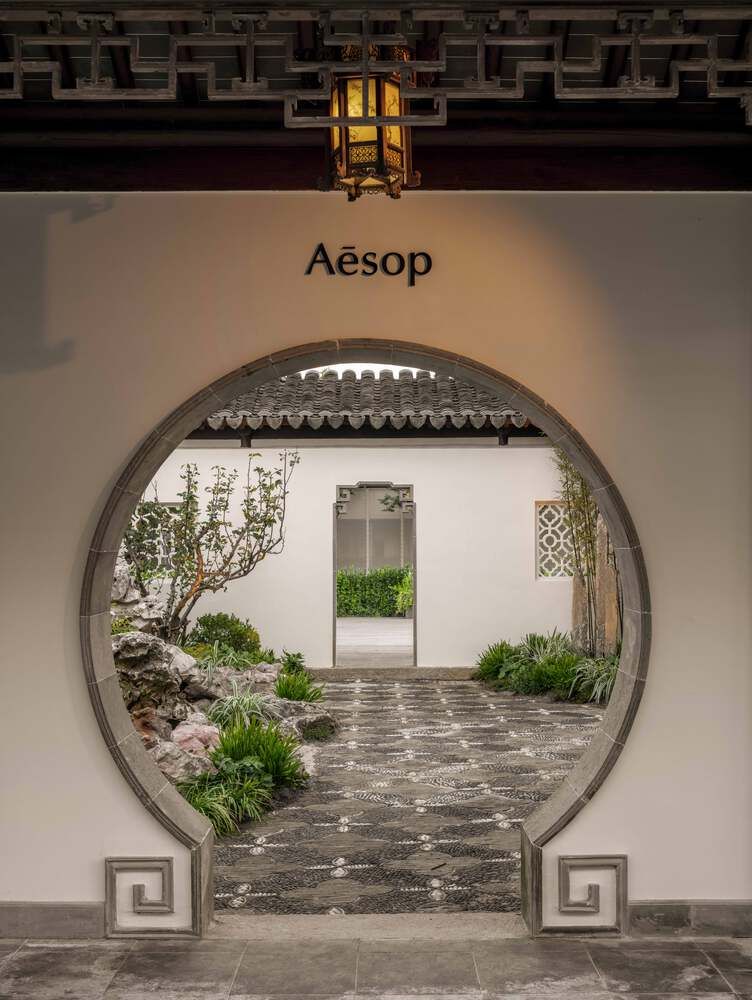
The route L'Oréal chose was stated before the ink dried and has been executed since: Asia, led by China. Not more Aesop where Aesop already was, but the same unchanged Aesop somewhere it had barely been.
The early evidence is in L'Oréal's own reporting. In 2025 L'Oréal Luxe became the number one player in North Asia, completing market leadership across every region. In the first quarter of 2026 the group reported that Luxe maintained strong momentum in North Asia with, in its words, a very strong contribution from Aesop. Group sales for 2025 reached €44.05 billion, up 4.0% like-for-like, with Luxe up 2.8%.
The distinction matters more than it sounds. Adding a first store in a new city does not reduce scarcity — it creates a new scarcity, in a market where the brand is unfamiliar and therefore discoverable. Adding a fifth store in a city that already has four converts a destination into a convenience. L'Oréal has been growing Aesop along the axis that does not consume the asset.
It is a slower route than the alternative. It is also the only one that leaves anything worth having at the end of it.
05 What Aesop teaches about buying what you cannot build.
- Lesson 01
Acquire the capability you structurally lack
L'Oréal is the best scale operator in beauty and will never invent a brand built on the refusal of scale. That is precisely why it was worth paying a premium for one.
- Lesson 02
Growth has two axes and only one of them is safe
Density consumes scarcity; geography creates it. For a brand whose value is placement, the map is the growth plan and the shelf is the risk.
- Lesson 03
The multiple prices the philosophy, not the revenue
At 4.7× sales, L'Oréal was not buying $537 million of turnover. It was buying the reason that turnover holds a premium — which is also the thing most easily broken by the buyer.
- Lesson 04
A record deal is often a rehearsal
Aesop was L'Oréal's biggest acquisition ever in 2023. By March 2026 it had been overtaken by Kering Beauté at €4 billion. The first deal proved the thesis; the second scaled it.
Three years is not long enough to declare the integration a success. The billion-dollar threshold has not been publicly confirmed, and the harder test — whether an Aesop store in its fortieth Chinese city still feels like a discovery — is years away.
But the direction of travel is legible, and it is unusual. Most conglomerates buy a cult brand and immediately begin explaining, in the language of synergy, why it should behave more like the rest of the portfolio. L'Oréal bought one and moved it sideways across the map instead. What it purchased was not a product line. It was permission to be small, somewhere it had only ever been large.
Sources & Further Reading
- 01 L'Oréal. (2023, April 3). L'Oréal signs an agreement with Natura &Co to acquire Aēsop.
- 02 L'Oréal. (2023, August). L'Oréal completes acquisition of Aēsop.
- 03 L'Oréal. (2026, February 12). 2025 annual results.
- 04 L'Oréal. (2026, April). First quarter 2026 sales.
- 05 L'Oréal. (2026, March 31). L'Oréal completes the acquisition of Kering Beauté within the framework of its strategic alliance with Kering.
- 06 Cosmetics Business. (2023). L'Oréal's strategy to welcome Aēsop to the billionaire brand club.
- 07 Cosmetics Design Asia. (2023, May). L'Oréal eyes huge prospective growth for Aēsop in Asia led by China.
- 08 Brakus, J. J., Schmitt, B. H., & Zarantonello, L. (2009). Brand experience: What is it? How is it measured? Does it affect loyalty? Journal of Marketing, 73(3), 52–68.
- 09 Alexander, B., & Varley, R. (2025). Retail futures: Customer experience, phygital retailing, and the Experiential Retail Territories perspective. Journal of Retailing and Consumer Services, 82, 104108.
Cite this case study
The Codes of Luxury. (2026, October 8). Aesop: What L'Oréal Bought (Case N°21). https://codeofluxury.cloakify.pro/case-studies/aesop-what-loreal-bought