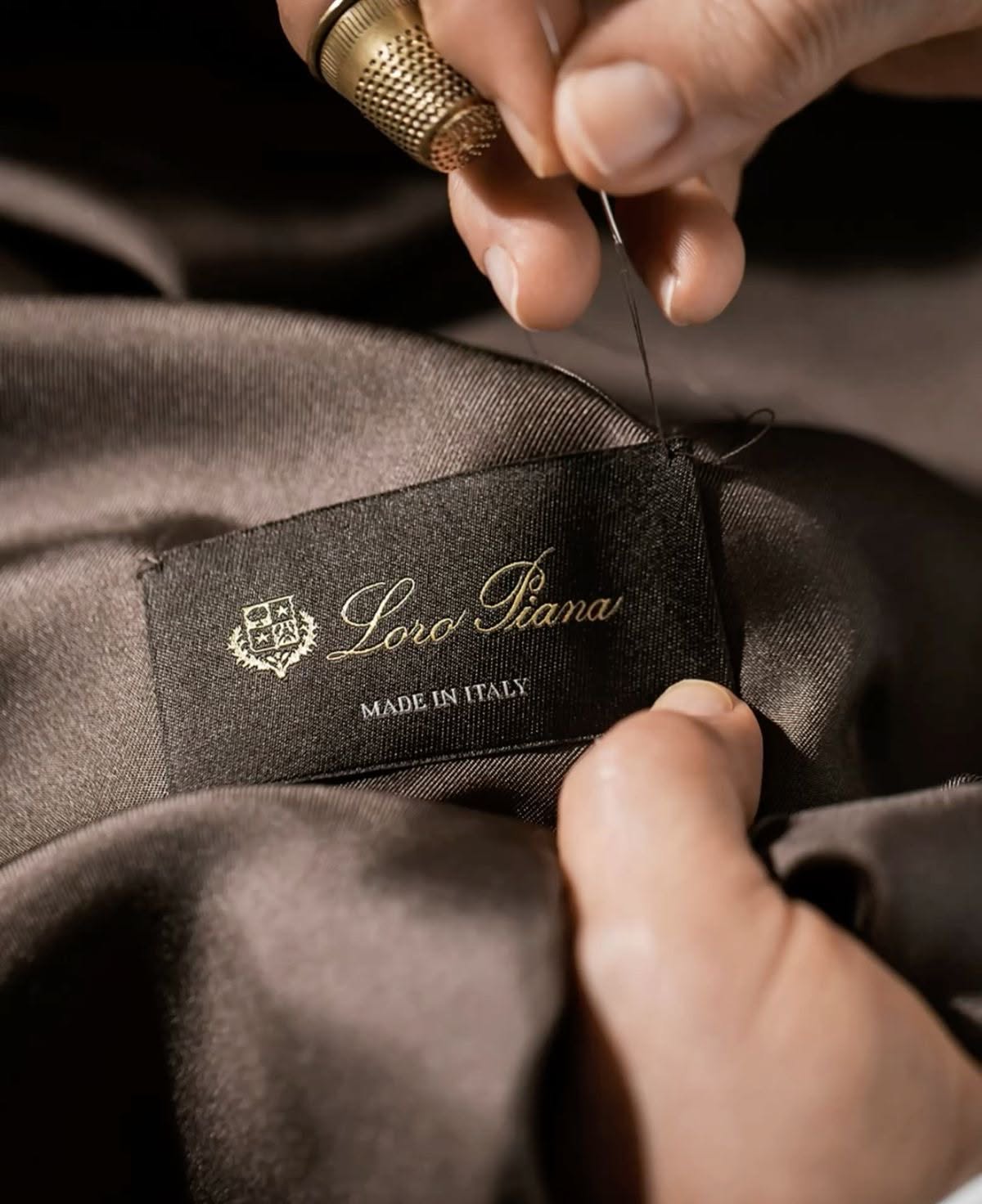
Heritage is luxury's most durable asset — and its most dangerous trap. The brands that last are not those that preserve the past intact, but those that know which parts of it are alive, and which are merely old.
Every serious luxury brand has a founding story. A date. A place. An artisan or a visionary. These stories are not decorative — they are foundational. They anchor the brand's claim to quality, to craft, to a world of values that predates the logic of mass production and quarterly earnings. Heritage, in luxury, is a form of capital.
But heritage is also a weight. The brands that struggle are often not those without history — they are those that have allowed history to become a substitute for relevance. The past, deployed uncritically, turns into nostalgia. And nostalgia, however beautiful, does not sustain a brand through the next decade.
The question every heritage luxury house must answer is not "what is our history?" but "which parts of that history are still alive in the present — and what does living with them actually require?"
01 What authenticity is really made of.
Beverland's foundational research on luxury brand authenticity — examining 26 luxury wine firms and 30 consumer interviews across two studies published in 2005 and 2006 — identified six attributes through which brands construct and communicate authenticity. They are not simply historical facts. They are a managed blend of real and rhetorical signals.
Heritage & pedigree
Demonstrated links to a place, tradition, or founding figure
Stylistic consistency
Visual and aesthetic continuity across time and collections
Quality commitment
Craft standards maintained even when commercially inconvenient
Relationship to place
Geographical anchoring — a provenance that cannot be replicated
Method of production
Handcraft, artisanship, the visible presence of human skill
Disavowal of commerce
Appearing to be above market logic — guided by passion, not profit
What Beverland found — and what makes this research so relevant to the heritage/hype question — is that authenticity in luxury is not passively inherited. It is actively constructed. The most credible heritage brands are not those with the longest history; they are those that have learned to tell their history in a way that feels lived-in rather than performed.
Creating an impression of authenticity required creating a sincere story — a creative blend of industrial and rhetorical attributes. Sincerity was achieved through the avowal of handcrafted techniques and the simultaneous disavowal of commercial motives.— Beverland, 2005
02 The paradox at the heart of heritage management.
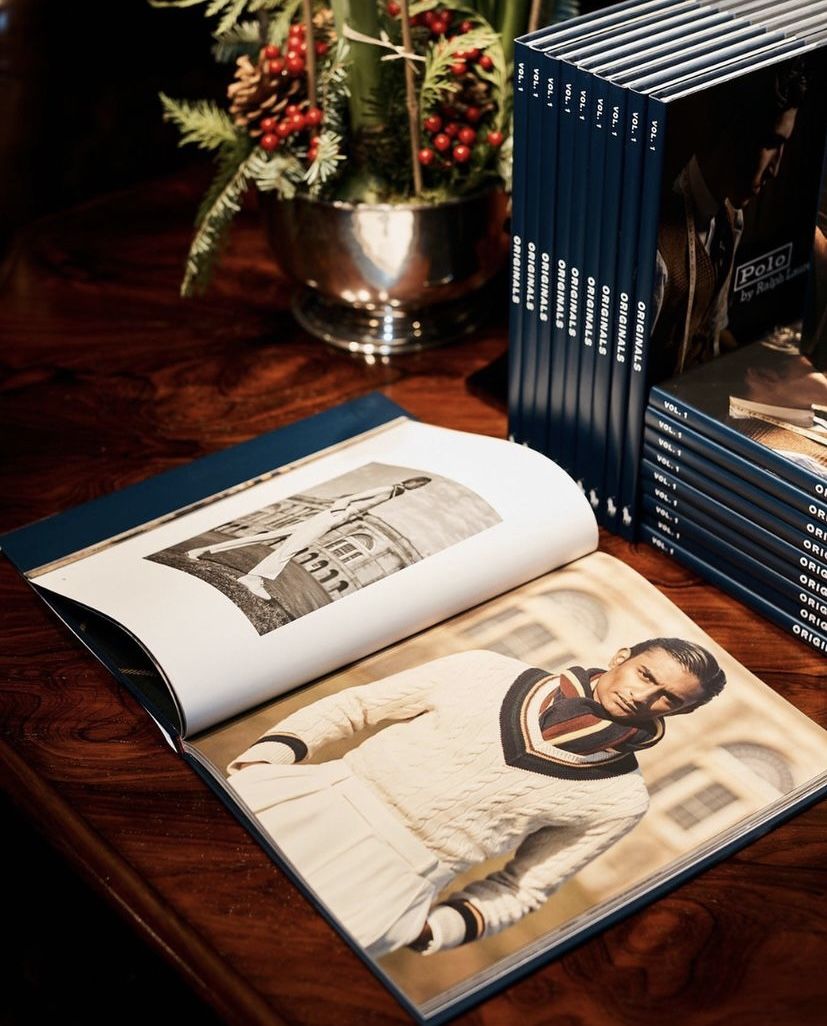
Kapferer and Bastien, in their landmark 2012 work on luxury strategy, identified the central tension that every heritage brand must navigate: the need to remain simultaneously timeless and contemporary. Heritage that does not evolve becomes a museum exhibit. Innovation that severs itself from heritage becomes just another fashion brand.
This is what researchers have called the "corporate heritage brand paradox" — the fundamental tension between continuity and change that defines the management of luxury brands with long histories. The brands that resolve it most successfully do not choose one pole over the other. They develop what might be called a creative heritage — the ability to reinterpret founding codes in contemporary language without abandoning their essential character.
Chanel's ability to make the tweed jacket relevant across eight decades. Loewe's reactivation of its craft heritage through Jonathan Anderson's culturally fluent creative direction. Bottega Veneta's return to its founding intrecciato weave as the basis of a new aesthetic language. These are not examples of preservation — they are examples of translation.

03 Where hype fits — and where it doesn't.
The rise of hype culture in luxury — drops, collaborations, streetwear adjacency, limited-edition releases — has complicated the heritage question in ways that brands are still working through. Some collaborations have extended a heritage brand's cultural reach without diluting its codes. Others have traded short-term visibility for long-term positioning damage.
Louis Vuitton × Supreme (2017)
A case study in controlled cultural collision. LV's monogram met Supreme's streetwear credibility in a collaboration that generated significant cultural momentum without repositioning either brand. The key was that LV led the creative direction — the heritage brand remained in control of its own codes.
Balenciaga's institutional disruption
Under Demna, who led Balenciaga until 2025, the house consistently pushed against the conventions of luxury communication — meme-adjacent campaigns, deliberately ugly aesthetics, subversive pricing. It works because the disruption is itself a coherent position, sustained across collections and clearly authored. It is hype in the service of a recognisable creative intelligence.
Brands that have struggled
The brands that have lost positioning clarity through hype are typically those that engaged in collaboration or drop culture reactively — chasing an audience rather than expanding from a position. When a heritage house does a streetwear drop without a clear creative logic, the result is confusion rather than cultural relevance.
04 The role of social media in heritage communication.
Creevey, Coughlan and O'Connor's systematic literature review of social media and luxury (2022) found that visual showcasing of heritage and speciality — non-personal luxury characteristics — remains central to luxury brands' social media communication and elicits stronger consumer affect than personal or hedonic dimensions.
This finding has a strategic implication: in the age of TikTok and Instagram, heritage is not irrelevant — it is, in fact, one of the most powerful signals available to luxury brands in digital contexts. The challenge is translating it into a visual and narrative language that is native to those platforms without reducing it to a costume.
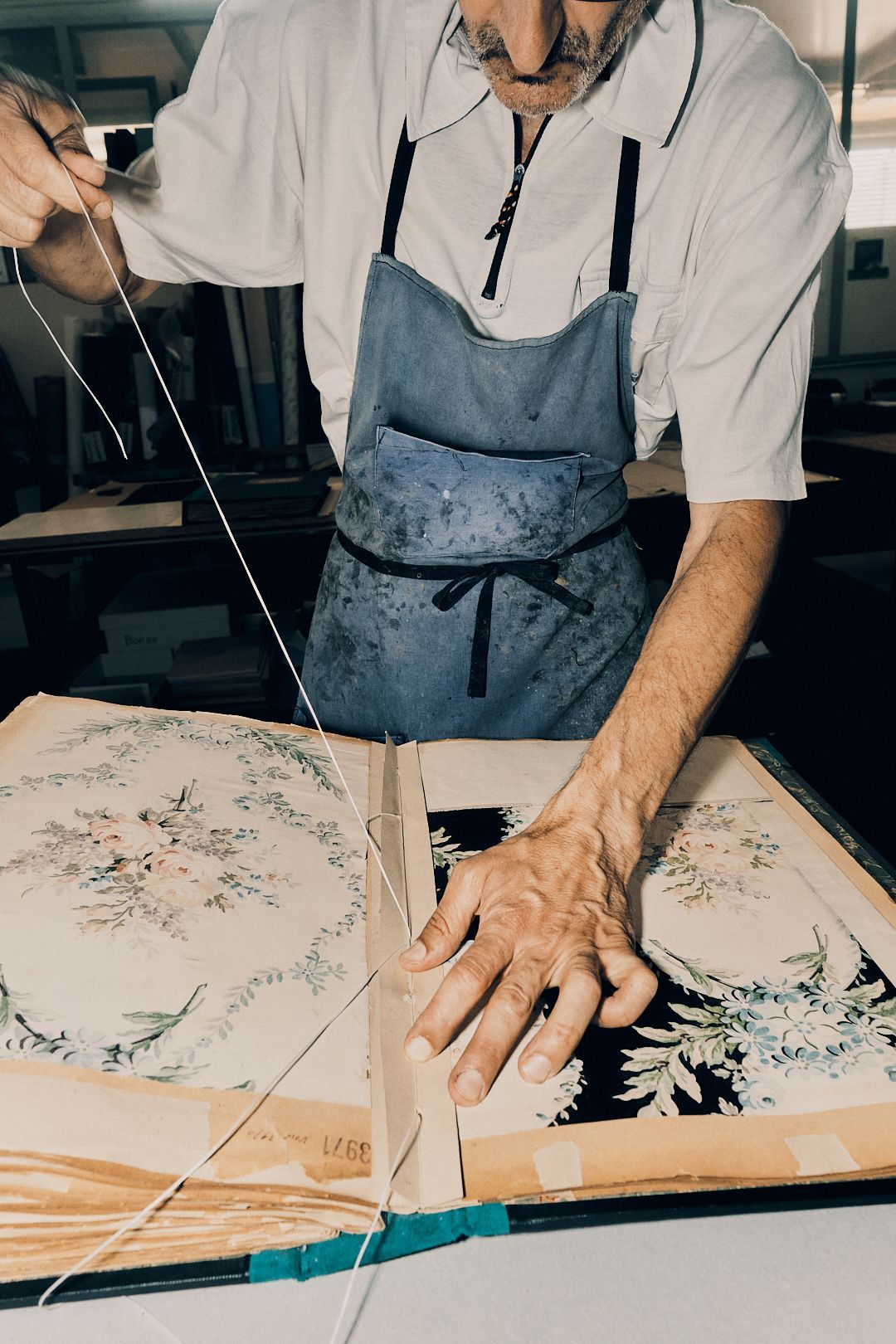
The brands doing this well — Loro Piana's quiet material documentation, Hermès's artisan content, Loewe's cultural archive posts — share a common approach: they show heritage being practised, not merely claimed. The past is not the story. What the past makes possible today is the story.
Heritage is not a guarantee of relevance. It is a starting point — a set of codes, values, and capabilities that give a brand something real to build from. What determines whether those foundations become a strength or a constraint is not how old they are, but how honestly and intelligently they are engaged with.
Sources & Further Reading
- 01 Beverland, M. B. (2005). Crafting brand authenticity: The case of luxury wines. Journal of Management Studies, 42(5), 1003–1029.
- 02 Beverland, M. B. (2006). The 'real thing': Branding authenticity in the luxury wine trade. Journal of Business Research, 59(2), 251–258.
- 03 Kapferer, J.-N., & Bastien, V. (2012). The Luxury Strategy: Break the Rules of Marketing to Build Luxury Brands. Kogan Page. — foundational framework on heritage, anti-laws of marketing, and the continuity/change paradox.
- 04 Creevey, D., Coughlan, J., & O'Connor, C. (2022). Social media and luxury: A systematic literature review. International Journal of Management Reviews (Wiley).
- 05 Södergren, J. (2021). Brand authenticity: 25 years of research. International Journal of Consumer Studies (Wiley). — systematic review of authenticity dimensions in luxury contexts.
- 06 Berger, J., & Ward, M. — Subtle Signals of Inconspicuous Consumption
Cite this insight
The Codes of Luxury. (2026, June 5). Heritage vs. hype: How luxury brands balance history and now. https://codeofluxury.cloakify.pro/insights/heritage-vs-hype-how-luxury-brands-balance-history-and-now