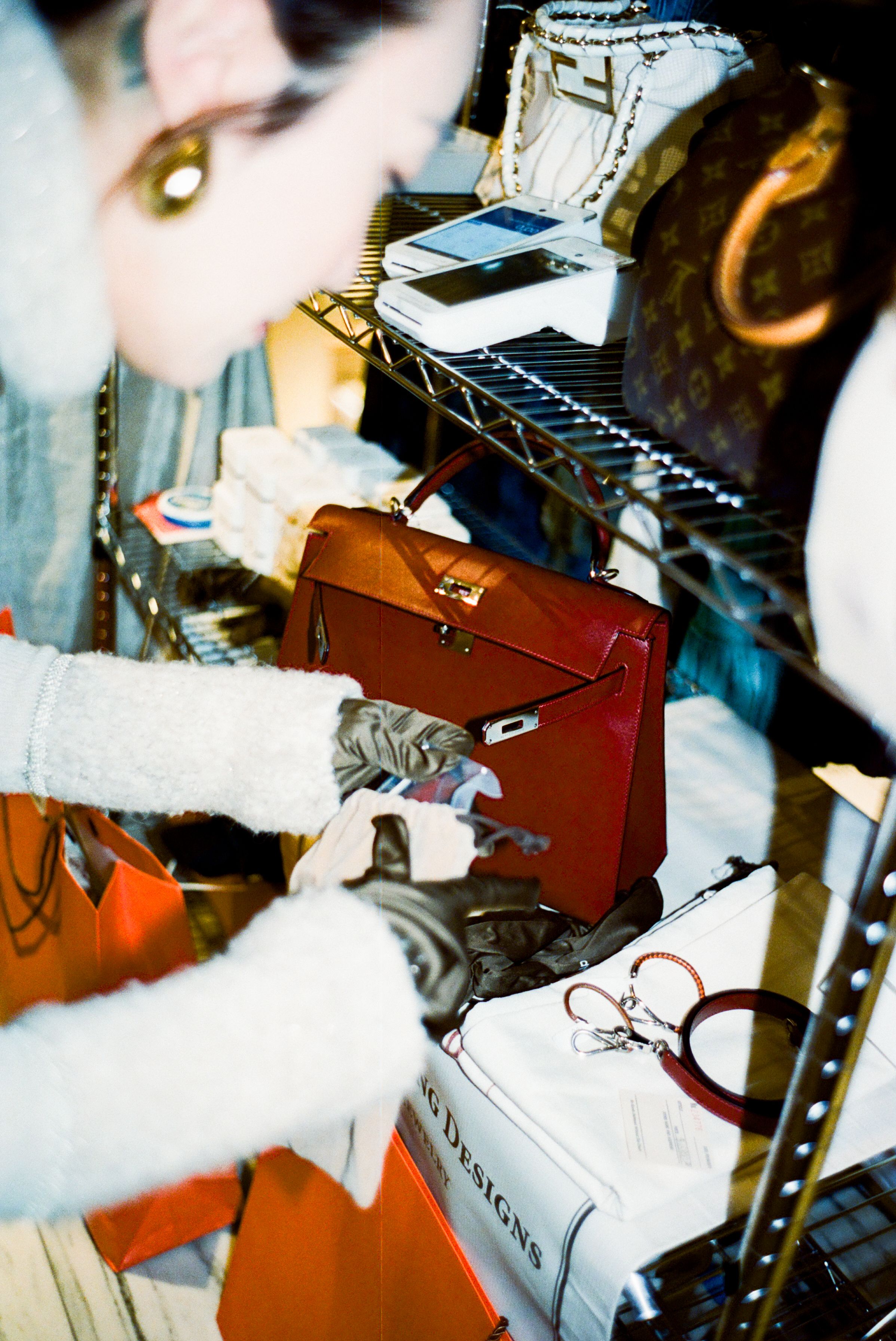
Every generation reshapes the luxury market. Gen Z is doing something more fundamental: they are redefining what luxury means. The shift is not just in how they buy — it is in what they value, what they trust, and what they refuse to accept.
The numbers are impossible to ignore. Statista3 data from 2024 shows Gen Z's share of the global personal luxury goods market growing steadily, with projections placing them among the dominant consumer groups by 2030. Bain & Company / Altagamma's 2025 Luxury Market Study identifies younger consumers as a central driver of market evolution — not only in volume, but in the direction of change.
But market share data tells only part of the story. The more significant shift is qualitative: Gen Z does not simply want different products. They want a different relationship with luxury itself.
01 Not love — like.
Shin, Eastman and Li (2022)1, in one of the first dedicated academic studies of Gen Z's relationship with luxury brands, found something that should give brand strategists pause. Across 56 respondents who created brand collages covering 38 luxury brands, the dominant emotional register was not love — it was like.
Gen Z consumers showed high levels of loyalty in terms of attitudes and behaviours toward luxury brands, but they did not demonstrate the kind of deep, passionate attachment that characterises brand love. The relationship was characterised by appreciation and preference — but also by a certain emotional distance. They choose the brand. They are not captured by it.
Generation Z's relationships with luxury brands are characterised by 'like' rather than 'love' — high loyalty in attitude and behaviour, but without the strong, passionate feelings that define brand love in older cohorts.— Shin et al., 2022
The implications are significant. A consumer who loves a brand forgives its missteps, pays its premiums without question, and advocates for it without prompting. A consumer who merely likes it is more conditional — more open to alternatives, more sensitive to perceived inconsistency, more likely to move when a better alignment presents itself.
02 The ownership question.
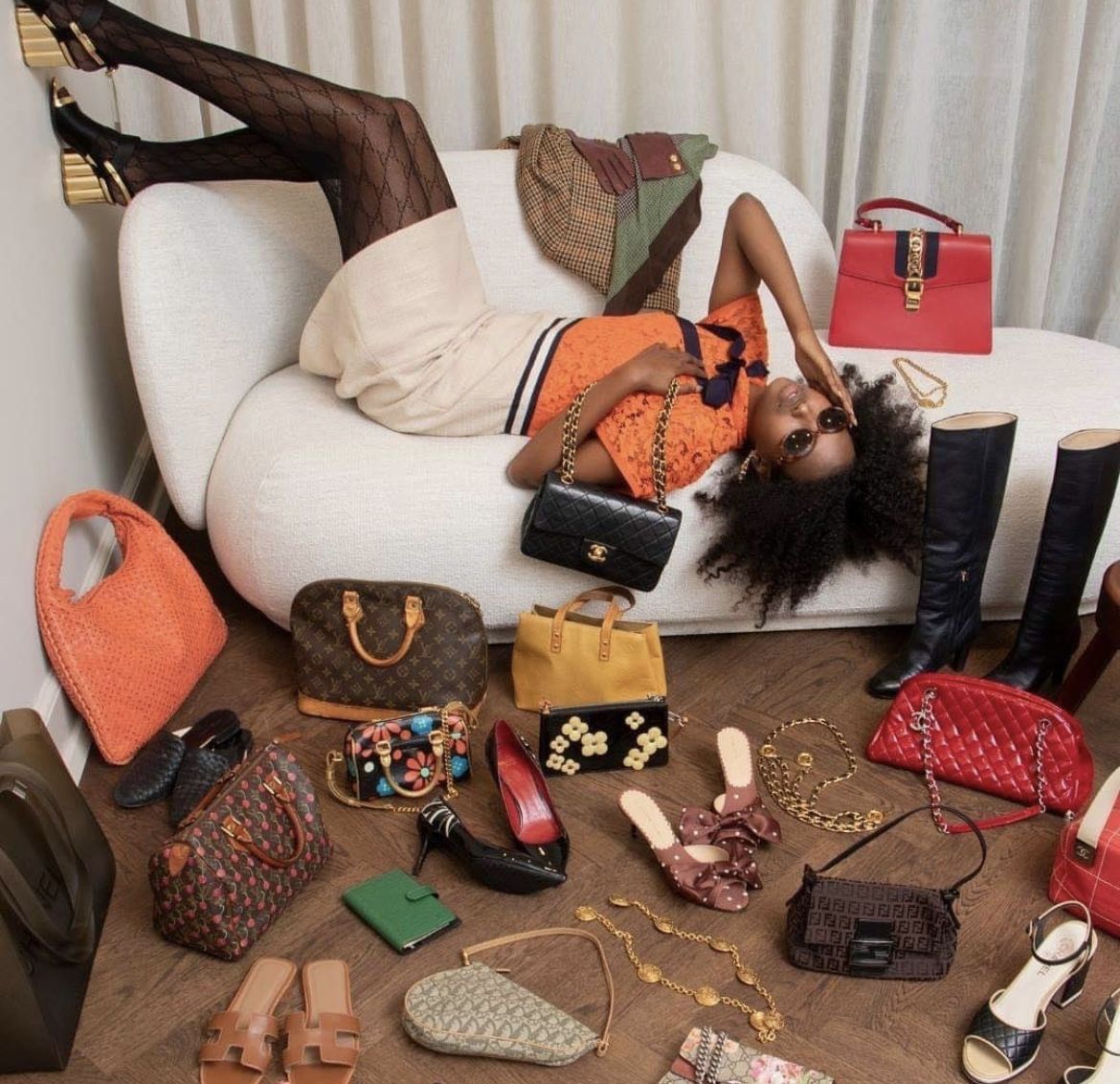
One of the most structurally significant shifts in Gen Z's relationship with luxury is their relationship with ownership itself. For previous generations, luxury was defined by possession — the object, owned, displayed, accumulated. Gen Z is more comfortable with access than ownership, and more open to the resale economy than any preceding cohort.
Own to signal
Luxury as permanent possession; objects accumulate social meaning through long-term ownership
Access to experience
Luxury as temporary or rotational; resale, rental, and secondhand are legitimate entry points
Values signal
What you own matters less than what it says about who you are ethically and culturally
Brand alignment
Loyalty is conditional on continued alignment with personal values — authenticity, transparency, ethics
Kim-Vick and Yu (2023)2, studying 452 Gen Z consumers in the US, found that previous owners of secondhand luxury goods showed significantly higher purchase intentions for future secondhand luxury than non-luxury or brand-new-only purchasers. The resale market is not a compromise for Gen Z — it is, for many, a preferred entry point into luxury, aligned with both sustainability values and financial pragmatism.
03 Three tensions brands haven't resolved.
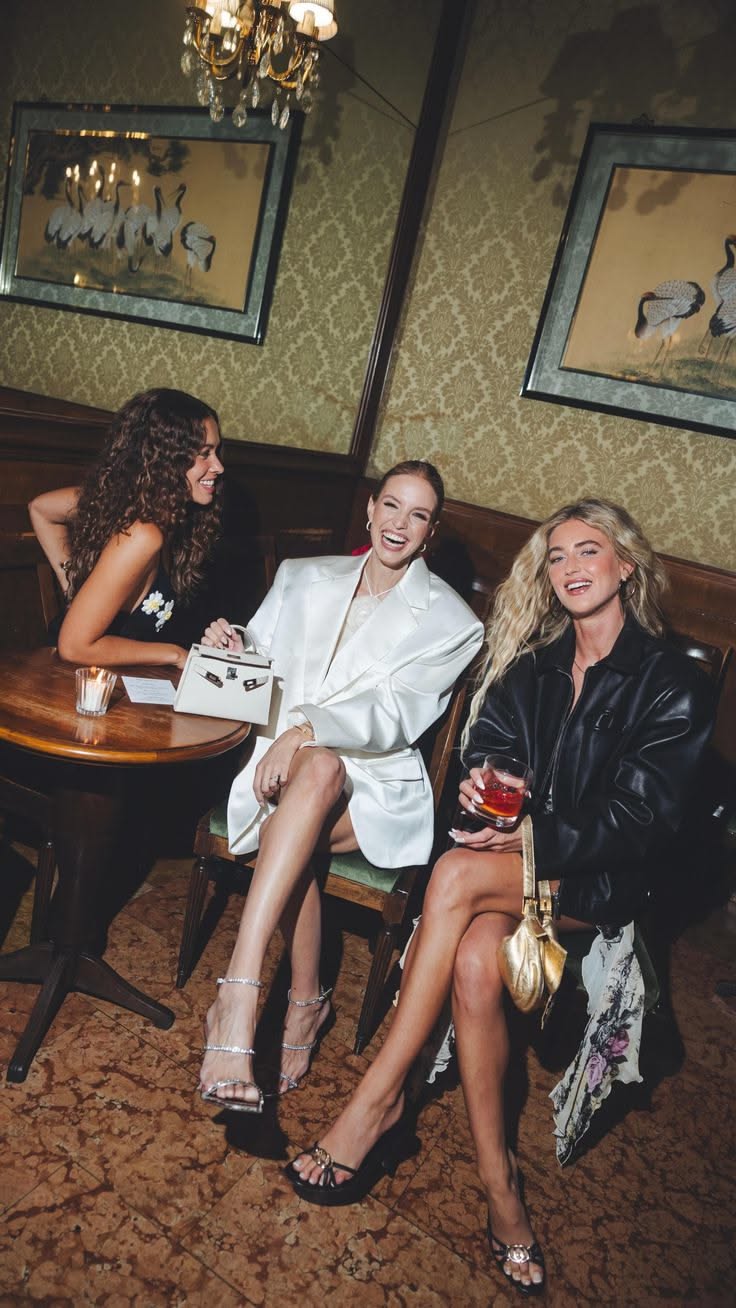
The research is clear that Gen Z is a significant and growing force in luxury. It is less clear that most luxury brands have fully understood what this means for how they need to operate. Three tensions remain largely unresolved.
Authenticity vs. aspiration
Gen Z consumers are acutely sensitive to the gap between brand communication and brand reality. They grew up with access to unlimited information and a high tolerance for calling out inconsistency publicly. Luxury brands accustomed to controlling their narrative through limited access and curated scarcity find this genuinely difficult to navigate. Aspiration without authenticity reads as performance — and Gen Z has a refined detector for performance.
Exclusivity vs. inclusion
Gen Z wants luxury to be aspirational but not discriminatory. They are more attentive to who is represented in campaigns, who has access to the brand, and what cultural assumptions are embedded in the brand's visual and narrative language. Exclusivity built on taste and craft is acceptable; exclusivity built on the exclusion of specific identities is not. This is a line that traditional luxury has not always been careful about.
Digital fluency vs. brand gravity
Gen Z discovered luxury on TikTok, in resale apps, through meme culture and digital subcultures. The brands that have built gravity with this generation — Bottega Veneta's quiet Instagram disappearance, Loewe's ironic cultural references — have done so by understanding that digital presence does not require digital loudness. The brands that have struggled are those that have tried to adopt Gen Z's platforms without adopting Gen Z's aesthetic intelligence.
04 What it means to get this right.
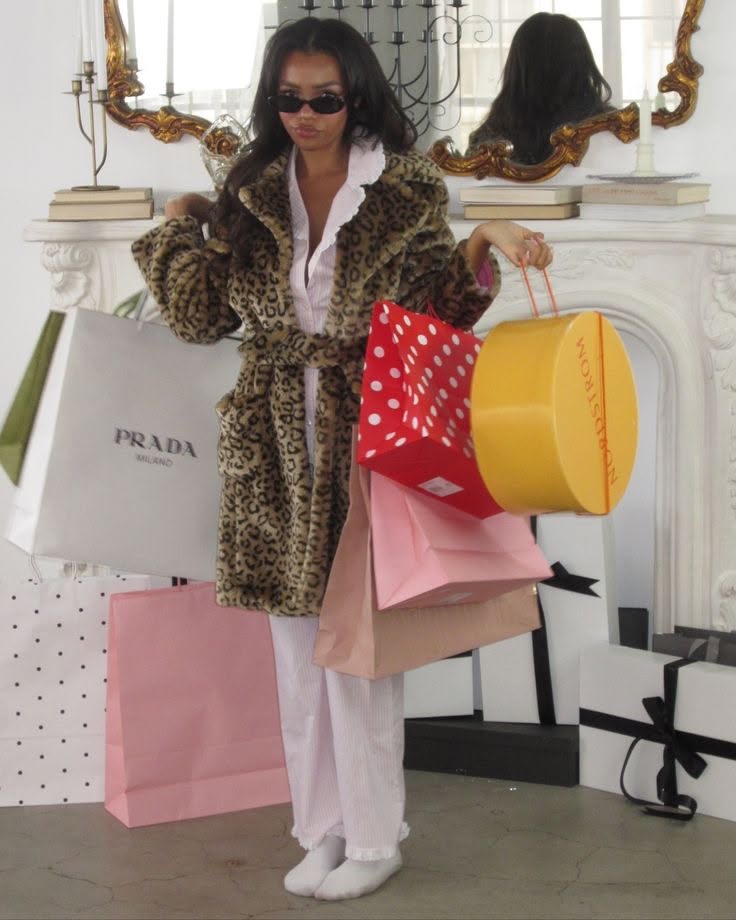
The brands navigating Gen Z successfully share a common trait: they do not try to be everything to this cohort. They identify the specific dimension of the new codes — sustainability, individuality, cultural fluency, resale legitimacy — that is most aligned with their existing brand identity, and they develop it with the same precision they apply to the product.
The mistake is to treat Gen Z as a segment to be targeted with adapted communications. The research suggests they are more accurately understood as a force that is shifting the definition of luxury itself — from object to relationship, from possession to alignment, from aspiration to values. Brands that understand this are not adapting their marketing. They are rethinking what they stand for.
Gen Z will not meet luxury where it has always been. The brands that will matter to this generation are those willing to meet them instead — with honesty, cultural intelligence, and a clearer sense of what they actually believe.
Sources & Further Reading
- 01 Shin, H., Eastman, J., & Li, Y. (2022). Is it love or just like? Generation Z's brand relationship with luxury. Journal of Product & Brand Management, 31(3), 394–414.
- 02 Kim-Vick, J., & Yu, U. (2023). Impact of digital resale platforms on brand new or second-hand luxury goods purchase intentions among U.S. Gen Z consumers. International Journal of Fashion Design, Technology and Education, 16(1), 57–69.
- 03 Statista. (2024). Share of the personal luxury goods market worldwide in 2023, by generation.
- 04 Bain & Company / Altagamma. (2025). Luxury Goods Worldwide Market Study. — market data on generational shifts in luxury consumption.
- 05 Euromonitor International. (2023). Five ways Gen Z is transforming luxury and fashion.
- 06 Carroll, B. A., & Ahuvia, A. C. — Some Antecedents and Outcomes of Brand Love
Cite this insight
The Codes of Luxury. (2026, June 8). Gen Z is rewriting the rules of luxury — and brands are Listening. https://codeofluxury.cloakify.pro/insights/gen-z-is-rewriting-the-rules-of-luxury-and-brands-are-listening